
☆☆☆☆☆
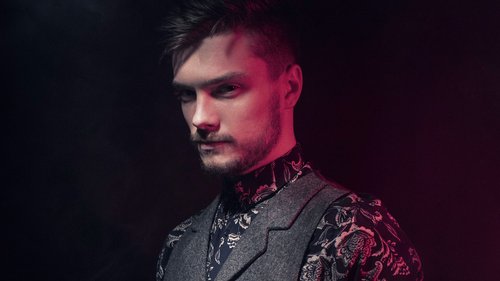
It’s easy to dismiss a group magic act as an excuse for the performers to do less work, but 1 Hour of Insane Magic isn’t just a 3-for-1 special. Cameron Gibson, Elliot Bibby, and Luke Osey do each get their moment in the spotlight over the proscribed 1 hour of (insane) magic, but the emphasis is very much on taking advantage of having three magicians in one show to perform tricks and showcase camaraderie in ways they wouldn’t be able to do in their solo shows. From the outside at least, it looks like even more work than three solo shows, but it’s worth it. They’ve created something truly special, and the data backs this up: they have a consistent and ongoing record of sellout shows across three years of the Fringe.
One of the elements that makes Insane Magic not just entertaining but interesting viewing is their approach to rehabilitating historic magic effects for the modern era. Their recreation of the “sawing a woman in half” trick is a great example of this, and requires help from the fourth Insane Magician, Laura Susana Tapia, who takes on the role of being sawn in half. While in the past this role would have been described as an “assistant”, Tapia’s role is emphasized to be that of a magician—she is, after all, doing the hard work of the effect. The performers takes the time to point out that historical conceptions of magic as a primarily male field weren’t because women were excluded from the stage, but because their hard work wasn’t acknowledged as “real” magic. Insane Magic honors the history of their profession and also honors Tapia’s role in the routine, with the men playing the role of her assistants for the effect. And it’s not just lip service for the one section, the men take turns playing “glamorous assistant” to each other over the whole show, demonstrating that the magician and assistant roles are as gender neutral here as they always should have been.
The type and amount of audience participation in Insane Magic is also a key draw for their audiences. The Insane Magicians involve many audience members in their act, and make sure to involve kids as often as is feasible. At the reviewed show the young participants were exceptionally enthusiastic to play their parts, and even to take on light responsibilities to contribute to the act. The one mildly alarming audience participant role is chosen from a pool of adult volunteers, ensuring a reassuring degree of safety and consent.
Those who make a habit of asking strangers at the Fringe what magic shows they’d recommend and why may pick up on a third factor that audiences especially appreciate about Insane Magic. Gibson, Bibby, and Osey just come across as really good guys. Audiences want to spend an hour in their company, almost as much because of how they treat each other and their audiences as because of the magic. The impressive magic is served up alongside a healthy portion of good vibes. It’s an upbeat, energetic show and the Insane Magicians have managed to curate an exceptionally friendly and welcoming environment, from the soundscape as the audience filters in to be seated right through to the greetings and photo ops on the way out. Even hecklers are responded to with friendliness. It’s a “soft” strength but one of the strengths that noticeably sets Insane Magic apart.
Insane Magic as a unit is in its third year at the Fringe, and is on track to once again sell out their entire run. Their legion of fans does not just extend as far as the Edinburgh Fringe—audience reviews of their recent Adelaide Fringe run indicate that Insane Magic has managed to attract groupies who will travel halfway around the world just to catch their Australian debut. They are truly a global phenomenon. Anyone hoping to catch them at the Edinburgh Fringe would do well to buy their tickets quickly.

 World Magic Review