Author: WMR

1 HOUR OF INSANE MAGIC

☆☆☆☆☆

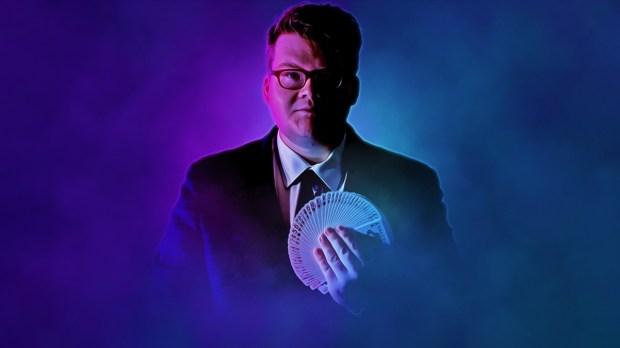
It’s easy to dismiss a group magic act as an excuse for the performers to do less work, but 1 Hour of Insane Magic isn’t just a 3-for-1 special. Cameron Gibson, Elliot Bibby, and Luke Osey do each get their moment in the spotlight over the proscribed 1 hour of (insane) magic, but the emphasis is very much on taking advantage of having three magicians in one show to perform tricks and showcase camaraderie in ways they wouldn’t be able to do in their solo shows. From the outside at least, it looks like even more work than three solo shows, but it’s worth it. They’ve created something truly special, and the data backs this up: they have a consistent and ongoing record of sellout shows across three years of the Fringe.

One of the elements that makes Insane Magic not just entertaining but interesting viewing is their approach to rehabilitating historic magic effects for the modern era. Their recreation of the “sawing a woman in half” trick is a great example of this, and requires help from the fourth Insane Magician, Laura Susana Tapia, who takes on the role of being sawn in half. While in the past this role would have been described as an “assistant”, Tapia’s role is emphasized to be that of a magician—she is, after all, doing the hard work of the effect. The performers takes the time to point out that historical conceptions of magic as a primarily male field weren’t because women were excluded from the stage, but because their hard work wasn’t acknowledged as “real” magic. Insane Magic honors the history of their profession and also honors Tapia’s role in the routine, with the men playing the role of her assistants for the effect. And it’s not just lip service for the one section, the men take turns playing “glamorous assistant” to each other over the whole show, demonstrating that the magician and assistant roles are as gender neutral here as they always should have been.

The type and amount of audience participation in Insane Magic is also a key draw for their audiences. The Insane Magicians involve many audience members in their act, and make sure to involve kids as often as is feasible. At the reviewed show the young participants were exceptionally enthusiastic to play their parts, and even to take on light responsibilities to contribute to the act. The one mildly alarming audience participant role is chosen from a pool of adult volunteers, ensuring a reassuring degree of safety and consent.

Those who make a habit of asking strangers at the Fringe what magic shows they’d recommend and why may pick up on a third factor that audiences especially appreciate about Insane Magic. Gibson, Bibby, and Osey just come across as really good guys. Audiences want to spend an hour in their company, almost as much because of how they treat each other and their audiences as because of the magic. The impressive magic is served up alongside a healthy portion of good vibes. It’s an upbeat, energetic show and the Insane Magicians have managed to curate an exceptionally friendly and welcoming environment, from the soundscape as the audience filters in to be seated right through to the greetings and photo ops on the way out. Even hecklers are responded to with friendliness. It’s a “soft” strength but one of the strengths that noticeably sets Insane Magic apart.

Insane Magic as a unit is in its third year at the Fringe, and is on track to once again sell out their entire run. Their legion of fans does not just extend as far as the Edinburgh Fringe—audience reviews of their recent Adelaide Fringe run indicate that Insane Magic has managed to attract groupies who will travel halfway around the world just to catch their Australian debut. They are truly a global phenomenon. Anyone hoping to catch them at the Edinburgh Fringe would do well to buy their tickets quickly.
KEVIN QUANTUM: UNBELIEVABLE MAGIC FOR NON-BELIEVERS

☆☆☆☆

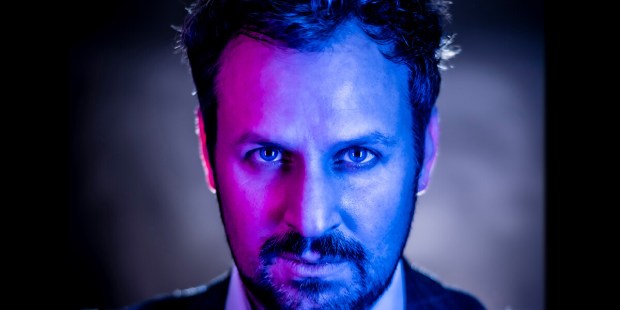
As the only magician-scientist hybrid performing in Edinburgh (perhaps in the world) it makes sense that Kevin Quantum dedicates his latest Fringe show to those who appreciate magic as a mechanical phenomenon that can be explained in rational terms. In Unbelievable Magic for Non-Believers, Quantum demonstrates a series of tricks and routines that are naturally designed to flummox those looking for their rational explanation, and uses real life examples to show that the natural search for rationality in the irrational isn’t just for magic shows.

Quantum is a skilled magician and several of the routines he performs in Unbelievable Magic are particularly creative. His opening routine with a breakfast theme is especially fun to watch—who doesn’t love breakfast for dinner? Quantum’s performance of a well known effect that usually uses two people but here only uses one and a video camera is also interestingly innovative, and all the more impressive for it. Such fascinating magic also highlight another way that non-believers can enjoy magic without committing to becoming believers. When performed with the skill and creativity of a magician like Quantum, magic can be appreciated as a beautiful and funny art form regardless of the audience’s belief in it.

Real life intrudes on the magic in a couple of instances in Unbelievable Magic. The first is the previously mentioned examples of real life phenomena in which it is human nature to search for a rational explanation to an irrational world. While Quantum understandably skates around the sociological and political implications of this element of the show, which would probably take a whole different show to fully unpack, it’s clear enough to feel timely. The second element of reality comes in the form of Quantum’s science demonstration, a regular and exciting feature of his shows. Quantum leans in to the visually exciting parts of physics. Quantum’s demonstration of the properties of his Tesla coil mirrors his use of magic. While there is, again, a rational explanation, the effects can also be appreciated simply for their beauty.

Quantum often gets audience members involved in his show, and often in doing simple tasks from their seats. On the one occasion that he asks slightly more of his audience participant, and teases them a bit more, Quantum makes sure to find a volunteer rather than a randomly selected participant, a great way to ensure happy, active participation.

Creating magic designed to seduce non-believers into believing is a fairly common theme for magicians. Unbelievable Magic for Non-Believers is certainly an entertaining take on that classic, with Quantum’s particular blend of magic and reality adding an interesting perspective. Despite the title it is well worth a watch for believers and non-believers alike.

JOKERS! MAGIC SPECTACULAR

☆☆☆

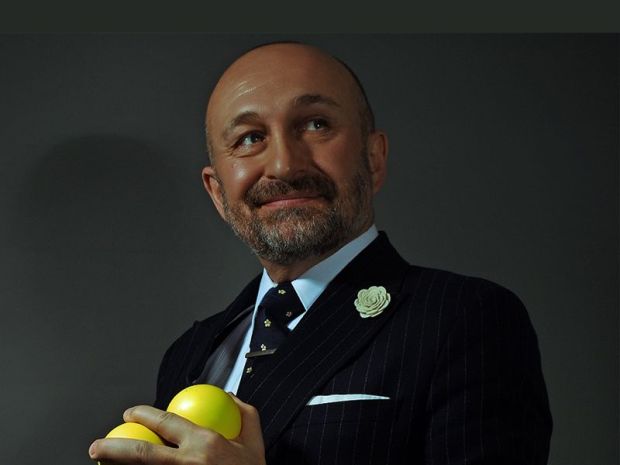
A midafternoon compilation show, Jokers! Magic Spectacular is a solid option for those scouting out family friendly acts to check out while also having a good time. Hosted by the friendly Mr. Frosty, it’s an entertaining frolic through the magicians’ favorite bits that they have plucked from their main shows.

As well as introducing the acts, the host Mr. Frosty also performs a bit of magic in between them. He quickly notices the youngsters in the room and presents child friendly routines that keep the kids engaged. The props are classic and the tricks performed with skill. Frosty’s red ball trick with an adorably enthusiastic child helper is an early highlight. As the host he’s only one guaranteed to be back at every show, and is guaranteed to set the tone for family friendly fun.

The first to take the stage is Adam B, who bonds with the audience over their flavors of “neurospice” and performs a themed series of effects. Adam B is enthusiastic and friendly, bringing up the energy in the room with his knot-themed magic.  At the reviewed show the audience participants for this section seemed particularly pleased with their role, getting an up close look at Adam B’s work.

George Hunt, the introvert magician, is next in the reviewed lineup. Hunt puts the magic in the hands of the audience, with both a child and adult participant each able to take part at age appropriate moments. Each leaves the stage equally impressed with themselves and with Hunt—the introverted tendency to deflect attention works without distracting from the magic.

And finally, the show is headlined by the millennial magician Chris Fleming. Fleming’s double bluff is a fun interpretation of a classic of magic, keeping it fresh for the next generation. He’s a friendly performer and treats his participants kindly, even if they might not realize that until the end of the routine.

The Jokers! Magic Spectacular is a well hosted compilation that seems able to attract a fun variety of magic acts. It’s centrally located, perfect for a family friendly magic break in an afternoon at the Fringe.

LUKE OSEY: THE MAGIC HANGOVER

☆☆☆☆☆

Luke Osey’s The Magic Hangover has got to be one of the weirdest magic shows of this Fringe, and it’s all the better for it. Osey’s trademark high energy and infectious humor keeps the story bounding along, and the perfect magic highlights plot elements to great effect.

For those who have followed Osey’s career to any degree at all, it will come as no surprise to find that the magic performed in The Magic Hangover is perfectly themed and executed. Fans may at times recognize signature props and elements, but each is used in such an entirely new way that it feels more like a self referential Easter egg than like Osey repeating a trick. Osey uses magic with exceptional creativity. There are at times elements of classic tricks that peek through—a dangerous item is created and concealed, or a money routine has a citrus—but as well he creates bespoke routines to showcase his sleight of hand skills in ways that suit the story.

The Magic Hangover has a decent ratio of story and comedy along with the magic. While the humor will not be to everyone’s taste, Osey is a talented comedian who may very well get the audience to laugh even when they’re not sure they want to. The plot line works well with the magic, and lends an element of sweetness that is as welcome as it is unexpected in this style of late night show. The conclusion of the mystery that unfolds ties in perfectly with the big magical reveal, and again demonstrates Osey’s skill at making classic magic effects feel fresh by knitting them seamlessly into his theme.

Osey is a personable performer and works well with the members of the audience who join in on his act, whether he invited them to or not. Intentional audience participation is sprinkled throughout the show, and is easily completed with Osey’s friendly instructions. At the reviewed show Osey also had to contend with the occasional heckling, and justifiably shut down one individual (only after they annoyed the rest of the audience) without missing a step. On the other hand, Osey also received a positive heckle from a member of the audience who couldn’t contain his admiration for one of Osey’s jokes, and this resulted in a sweet moment of mutual appreciation.

The Magic Hangover works perfectly as both a wacky late night show and a showcase of magical skill and creativity. Osey leans in to the surrealist weirdness, using the uniquely odd products of his imagination to create a show that no one else would, and pulling it off with textbook panache. Whether it’s the weirdest end to your Fringe day, or the perfect way to kick off the kind of evening that will result in your own magic hangover, The Magic Hangover is the place to be.

MARTIN BROCK: ALMOST IMPOSSIBLE 2.0

☆☆☆

Many magicians claim to show their audiences impossible feats, but Martin Brock is much more honest. If he can do it onstage, it must not be impossible! So he is very candid in titling this year’s show Almost Impossible 2.0. Brock’s show is a visually beautiful performance-collage of the best bits of magic he’s learned and created over the course of his career.

If one skill shines through in particular, it’s Brock’s card tricks and cardistry. His aces finding trick in particular is so perfectly performed that it feels like art, even before the final reveal. While there isn’t a strong conceptual theme to the show, the style of magic that Brock employs is consistently sleight of hand, and it’s clear that this is his strength.

If there is an area of Brock’s performance that could use some work, it’s in the timing of his magic. At the reviewed show he had a tendency to draw out each effect for a bit longer than felt strictly necessary, and this was pervasive enough that it became a drag on the flow of the show. To be fair, for most of the audience, the perfection of execution would undoubtedly easily outweigh such a relatively small issue—everyone exiting the show was clearly delighted by what they had witnessed. Excellent magic has a tendency to speak for itself regardless of subjective issues in the construction of the show.

Brock only involves a few audience participants in his act, and is sure to get enthusiastic consent from them. An especially keen participant at the reviewed show was a ten year old boy who helped with an early demonstration of card magic. Brock set him up for success, giving him ample opportunity to receive applause from the audience, ensuring a positive memory for one of his youngest fans.

As a family friendly celebration of sleight of hand magic, Almost Impossible 2.0 is a great addition to any Fringe schedule. Brock will get the littler audience members involved in age appropriate ways and keep the adults entertained with his beautiful magic.

MAT RICARDO: THE EXTRORDINARY GENTLEMAN

☆☆☆☆

Mat Ricardo’s The Extraordinary Gentleman isn’t a magic act -while magic involves pretense, everything that Ricardo performs he is actually doing for real. The skills that he demonstrates are wildly impressive, and he keeps the audience laughing throughout.

A whole circus in one man, Ricardo gets through a wide variety of tricks in his hour long show. Those who don’t like any one of his routines in particular just have to wait a few minutes and he’ll be doing something completely different. An early highlight is his cigar box work, even those who have seen cigar box juggling by others in the past will probably see a new-to-them trick in amongst this segment of the show. This is a recurring theme. With each skill that Ricardo shows off, he first demonstrates his ability in more recognizable tricks, and then shows the audience how he has put his own stamp on the classics.

One of the aspects of the performance that differs from magic is that Ricardo does not involve audience participants. He has other ways of making the audience feel anxious, with dangerous props and demonstrations that he wields with abandon. It is always worth remembering that Ricardo is a professional, he does not put the audience in any real danger, and any dangerous situations he places himself in are his choice and thus on his own head. Ricardo manages the balance between keeping the audience in suspense and reassuring them of their safety with the careful skill of a practiced professional.

The Extraordinary Gentleman may contain plenty of circus and cabaret tricks that have been around for a while, but it avoids feeling like a throwback with Ricardo’s innovations and even just the stamp of his personality that is so clear on everything that he performs. If there are elements that come across as a bit old fashioned, they feel more like a homage than a historic artifact.

Ricardo is an entertaining performer who clearly has plenty of skills to show off to his audiences. If there’s a theme to the show it’s that he can do so much more than anyone in the audience, both in terms of quantity and quality—but also that any one of us could perform these extraordinary feats too, if we put in the time that he has. An hour in his company is undoubtedly an hour well spent.

JAMES PHELAN: THE MAN WHO WAS MAGIC

☆☆☆☆

In the hierarchy of Fringe venues, James Phelan has undoubtedly earned the use of one of the best this year, with The Man Who Was Magic finding its home in the beautiful McEwan Hall. Phelan honors the venue with an equally beautiful magic show that makes great use of the space. With a well-balanced mix of hypnotic effects, mind reading, and magic, Phelan’s show is as ever the crowd pleaser, with a real heart to back up the tricks.

One of Phelan’s notable strengths as a performer is in his crowd work, and this was readily apparent at the reviewed show. With his quick wit and charm Phelan has an easy chemistry with everyone who he invites to get involved in the show. Participants are made to feel comfortable, and as Phelan keeps all the hard work for himself participation feels particularly unthreatening. McEwan Hall is a big room, but like every good host Phelan turns the space into a welcoming home.

The hypnotism and magic performed are all done with exceptional skill. At the reviewed performance there were a few noticeable teething issues—nothing out of the ordinary for the second day of the Fringe—but if there were any genuine problems with the tricks performed, Phelan played them off so well that the audience was left unsure if these were planned “mistakes” to set up the reveal, which is surely the truest tell of magical excellence. A crowd-pleasing highlight is Phelan’s ring trick, with a reveal that neatly ties in to the show’s theme of making the important things permanent, which in this case took the form of a permanent testament to the impermanent moment of the reveal.

That theme of creating permanence may initially seem at odds with the medium of live performance, a necessarily impermanent art. Phelan navigates this in part with the obvious, the gifting of souvenirs to his various participants, and in part in autobiographical storytelling and general inspiration. In a way his slick handling of early-Fringe issues contributed to the theme as well, with the temporary technological problems becoming surpassed by the permanent impression of controlled professionalism that he leaves on the audience. Phelan even refreshes a form of final reveal that in other hands feels overused, breathing new life into this classic magical ending by imbuing it with new meaning.

Phelan, the Man Who Was Magic himself, is certainly one to see this year for anyone in need of an uplifting hour, which would probably be just about everyone this year. His show is one of those impermanent things that is worth being made permanent, whether in reviews, in the futures of those who he takes the time to inspire, or even just in the memories of everyone in his audiences.

LIN LU-CHIEH: TAIWAN SEASON: DAZED AND CONFUSED

☆☆☆

Who doesn’t love talking about themselves? Autobiographical magic shows are a classic for a reason, especially for a magician introducing themselves to a new marketplace. Lin Lu-Chieh’s Taiwan Season: Dazed and Confused is excitingly not just his Edinburgh Fringe debut, but his fully-English-language debut, and it’s a memorable introduction. Dazed and Confused is light on magic but big on heart, and Lin is easy to watch onstage.

Lin utilizes the magic in his show in a consistently thoughtful way, the tricks feel well chosen to highlight the story. If there is the occasional moment where the sleight of hand feels a little bit clumsy—maybe a card edge peeking out where it shouldn’t, or a prop that is slightly fumbled—it’s only because the Edinburgh Fringe has such a high standard of magic, and it doesn’t have a huge effect on the overall enjoyment of the audience. There are plenty of magic highlights in the show, most notably a sequence in which Lin demonstrates his enthusiastic performance of the first card trick he learned to all of his friends and classmates. Lin has perfected the balancing act of performing the same trick over and over just often enough for it to feel entertaining each time, making this routine particularly fun to watch.

Naturally following from the light sprinkling of magic is a light sprinkling of audience participation. At the reviewed show, Lin found ample participants in the front row who were visibly delighted to take part onstage. Lin’s personable stage presence made joining in on the act an appealing proposition.

The story that Lin tells about his journey into magic is compellingly relatable. At a time where the concept of finding and staying in one dream job forever is increasingly unrealistic, Lin’s tale of stumbling in to magic as a just one attempt of many to find something that he is both passionate about and able to excel at will ring true for many who are watching. Lin simultaneously demonstrates and pokes fun at the advice he received early on from his father, that miracles aren’t real but are just the result of persistence. With enough strategically applied persistence, he may not yet be a baseball star but at least he is able to create miracles in front of his audience.

With a lunchtime time slot, central venue, and family friendly theme, Taiwan Season: Dazed and Confused is sure to be a hit this Fringe. Lin’s magic-flavored recollections of his childhood easily hold the audience’s attention, and his creative approach to magic performance leaves them excited to see what he does next. 

JOSH STALEY: FOOL ME ONCE

☆☆☆☆

If the complicated role of a magician could be distilled to just one core job, it would definitely be to fool their audience. The stated premise of Josh Staley’s Fool Me Once is thus in a way the first time of the evening that he fulfills his core duties—he does, in the end, fool his audience more than once. It’s a simple premise and Staley uses it effectively.

Staley uses both sleight of hand magic and mentalism to fool the audience. An early highlight is his coin routine. In fact, at the reviewed show, as he completed this routine a member of the audience audibly whispered to her friends, “I love the coins”, a sentiment that, at that point, was surely shared by everyone else watching, and which Staley confirmed that he shared as well. Staley also read several minds, both from written prompts and from words that existed solely in the minds of his audience members.

Audience participation in Fool Me Once is used thoughtfully and effectively. Several participants are able to get involved from their seats, including for an exciting finale to the above-mentioned beloved coin routine that sees a magical element happen in the hands of an audience member. When audience participants get more involved, whether in coming onstage to have a turn at presenting a reveal or even just completing an impressive shuffle, Staley celebrates their achievements and makes sure they get applause for their contribution to his show.

It’s not always a good sign when the magician has to deal with significant numbers of audience member mistakes and interruptions, but at the reviewed show Staley dealt with several such matters with exemplary professionalism. An early example saw a participant helping Staley with a card trick misunderstand his instructions to hide her chosen card in the deck, instead hiding it under his box of props. On discovering this miscommunication Staley recovered the effect with a joke and a well performed bit of sleight of hand. Staley also had to contend with a gaggle of chatty youngsters, and managed to shut down their side conversations with quick good humor.

The reviewed show of Fool Me Once was nearly if not entirely sold out, on a Saturday evening in Adelaide at a prime time slot with plenty of competition. It’s no surprise, it’s a well staged show and Staley is a charming performer. If any tickets remain for the rest of his Fringe run future audiences will surely have to hurry to nab them.

2 RUBY KNOCKERS, 1 JADED DICK

☆☆☆

Of the professions in which mentalist powers would be most useful in daily life, private detective must be high on the list. The character Dirk Darrow brings that fantasy to life in 2 Ruby Knockers, 1 Jaded Dick. The show had the feel of a comedic one man play with magical elements, certainly a welcome creative angle on the magic scene. It may not be flawless, but it’s undoubtedly a good time.

2 Ruby Knockers is framed as an investigation by Darrow into a series of crimes committed in his vicinity. The overlap in skill set required in creating an effective mystery and performing magic is not insignificant, there’s an element of misdirection required in both. The mystery of 2 Ruby Knockers is both effective and a lot of fun, full of plot twists and surprises. In that respect it’s a fitting tribute to a beloved genre and demonstrative of a level of magic-adjacent skill.

Throughout the investigation, Darrow uses both plenty of intentionally bad jokes and various magical techniques to advance the plot. The magic may seem fairly basic to regular magic show attendees, but it’s performed effectively and deployed sensibly throughout the narrative. As the audience filters in, they see cards on several of the seats to fill in with personal information for Darrow to later magically discover. This segment fits well with the plot and proves entertaining for the audience. A storytelling sequence using a deck of cards is a particular highlight. If some of the bits seem a little forced, it’s easy to forgive—there’s not a whole lot of variety in a standard deck—and it’s a creative use of a classic prop.

As in most magic shows, Darrow frequently utilizes his audience’s assistance. Most of the participation is relaxed, and done without even requiring the participant to go onstage. The occasional audience member is called on to participate a little more significantly in the show, but Darrow chooses well and guides them effectively in fulfilling their roles as he requires them. However, he does occasionally seem to falter when his audience does something unexpected, particularly noticeable at the reviewed show when he receives a funny heckle, although also evident in a couple other instances. Heckling is an often unfortunate aspect of live performance, but in the realm of heckling a funny heckle is the best option. Darrow may benefit from working on reacting more gracefully to interruptions and irregularities—unfortunately he’s in a profession where such a skill is necessary.

2 Ruby Knockers, 1 Jaded Dick appeals primarily as a comedy for those who adore puns. While there may be other performers at this year’s festival who perform magic more slickly and with more creativity in the crafting of their effects, 2 Ruby Knockers has value as a magic show in demonstrating a different type of creativity in presentation. The audience at the reviewed show certainly loved Darrow. His humor and overall performance style is pretty specific, and the right audience seems to have found him.