stage magic

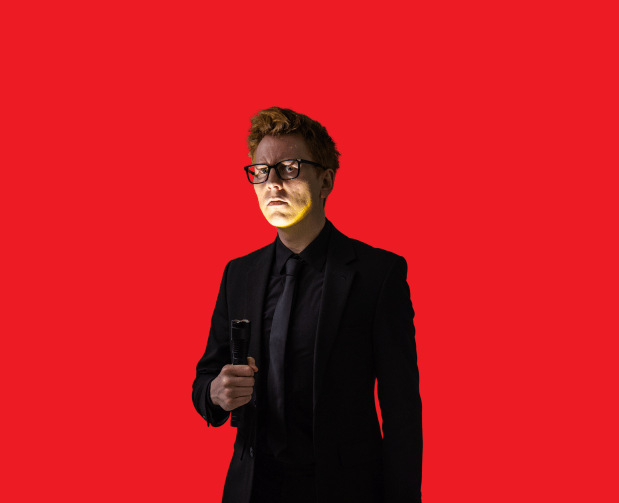
ANDREW FROST: THE GREATEST CARD MAGICIAN IN THE WORLD

☆☆☆☆

It’s worth noting, to help with expectation management for his future audiences, that Andrew Frost has not been officially deemed The Greatest Card Magician in the World, despite that being the title of his show. However, ‘The Greatest Card Magician in the World’ may very well be one of the greatest card magic shows in the world, or at the very least at the Fringe—a line that Frost is of course more than welcome to selectively quote. What makes it compelling is not Frost’s position on any one person’s leaderboard of card magicians, but how he manages to make card magic so much fun.

As is heavily hinted in the title, in The Greatest Card Magician in the World Frost focuses on card magic. It’s as perfectly performed as the audience will expect from the title. A highlight is a routine that Frost invites multiple members of the audience to participate in. This manages the difficult task of providing a surprise of an ending in a card trick, a format perhaps known best for having the most easily anticipated ending of any magic trick.

Frost gets a lot of the audience involved in the show, and creates a welcoming environment to make this as unintimidating a process as possible. Frost is so personable that, at the reviewed show, a reluctant member of the audience agreed to join him onstage even when Frost allowed for a clear way out if the audience member truly didn’t want to be involved. While one audience participant does have a more involved role, Frost cleverly structures his routines to essentially go through a quick vetting process to pick someone who will be comfortable with the attention. Frost is always in control and the participants are not left at loose ends onstage.

The grandiose name of The Greatest Card Magician in the World isn’t just an attention-getting tactic, but a lead in for Frost to gently satirize magic show and audience tropes throughout the performance. From his spot on advice for audience members who are watching the show to try to work out how the tricks are done, to his teasing of the dramatic backstory for how he got in to magic, right up to the structure of the finale, Frost pokes fun at the stereotypes from a place of clear love for the art form.

It may not be as “shrekxy” as a burlesque show he’s contended with for reviews (what a sentence to experience out of context!), but for fans of card magic The Greatest Card Magician in the World is easily an excellent choice of Fringe show. Frost will teach the audience how to appreciate his card magic and then perform a trick so perfectly that they forget their lessons. It’s perfect card magic in a perfectly written show.

FRANCISCO MOUSINHO: TRICKS I STOLE FROM DEAD PEOPLE

☆☆☆

A newcomer to the Edinburgh Fringe, Francisco Mousinho has brought his excitingly named Tricks I Stole from Dead People as a debut. While the venue may not have been what he expected and apparently hampered his act, no circumstances could hamper his spirit. Mousinho is an engaging performer to watch even if he can’t do quite as much as he wants to this year.

The Edinburgh version of his act evidentially changes regularly, depending on the audience he gets—with a small venue and a late time slot, audience size can vary significantly. The reviewed show on a Sunday evening was intimate but not bad for the day before the start of the work week. Mousinho performed a variety of close up effects, each with a story to go along with it. His take on a rope trick was particularly fun to watch. A classic of magic, this is not often the most interesting to see performed, but Mousinho managed to make it his own in a fun way that really got the audience involved.

With a relatively small audience Mousinho was able to get everyone involved. Most of the participation involved checking out the props, and even sometimes patting down his arms and sleeves, to keep him honest—at least by magician standards. Mousinho is a friendly performer, the small audience felt welcomed and appreciated. With that type of crowd it can feel a bit like hanging out with the magician as much as watching them perform, and Mousinho readily adopted the attitude of the welcoming host, making everyone feel comfortable in the pub basement that is his home for the Fringe.

Mousinho readily admits that his show is not what he envisioned for the Fringe. The theme of tricks he’s stolen from dead people is certainly promising, and with the storytelling flair that he demonstrates even with the routines that he is able to perform, it sounds like the full act would be a real treat. Hopefully this year is the appetizer to get Edinburgh excited for the fully realized show that he brings to a future festival, whether the Fringe, MagicFest, or both. His audience walked out eager to see more from him.

Fringe audiences aren’t able to tell what they’ve missed with Mousinho’s performance, just what they have received, and he’s well worth the time. Tucked away in a venue slightly off the beaten path, he feels like a hidden gem of an act. Next time he visits he’ll still be a gem, but perhaps a little less hidden.

DAVID ALNWICK: THE DARE WITCH PROJECT

☆☆☆☆☆

David Alnwick has a habit of creating shows that are so unusual that they require a whole new category all to themselves in the Fringe listings. This year he has gone a step further in bringing a live found footage horror show, The Dare Witch Project. Naturally, as a debut, it’s completely unlike any of his previous shows. However, it still feels like a distinctly Alnwick show, it has his trademark perfection at every turn, from the plot to the magic and every step in between.

While The Dare Witch Project doesn’t feel like a typical magic show in any sense of the term, traditional or not, Alnwick is still a magician and uses magic to accentuate the show. The way that magic is used here is particularly creative, it doesn’t just illustrate the story but is an integral part in how it’s told and how the audience experiences it. With so few tricks they need to be perfect, and Alnwick is skilled enough that it’s no surprise they meet that requirement. Alnwick leans more on the cinematic cousins of magical misdirection to drive the show forward.

A Fringe veteran and legend with an especially versatile skill set, Alnwick has tons of fans in Edinburgh, who may not necessarily be fans of horror as a genre. It’s still worth at least considering attending The Dare Witch Project even if you are among them. It has the Alnwick hallmarks of excellence and originality that earned him such support, and Alnwick and the Voodoo Rooms staff helpfully lay out flyers on each chair that are the perfect size to cower behind when it gets too frightening. It’s not every day you get the opportunity to watch a new genre being born, not even at the Fringe.

The Dare Witch Project is an absolute must see for horror fans. It’s not just scary, there’s humor and nostalgia to lighten the mix, and the creative use of magic adds an extra level of interest. For horror fans it will be the perfect show.  For the rest, it’s exceptional enough to still be well worth seeing. 

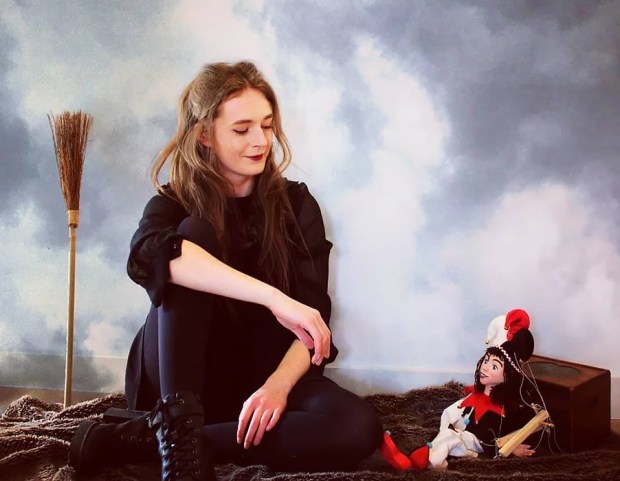
AVA & BEAUX: TALES OF MAGIC

☆☆☆☆☆

Ava Beaux’s audiences get treated to two magicians for the price of one, with her split stage personas making their return to the Fringe stage.  And both are clearly very popular, the venue is completely packed full at the reviewed show on an Oasis weekend day.  Ava Beaux’s followers cannot be deterred. In Ava & Beaux: Tales of Magic her two sides might not always get along, but do manage to get their story told, trading off responsibilities for that task throughout the performance.

The audience meets Ava first, a perfectionist of a performer who is the verbal storyteller, and even gets a few magic tricks in to illustrate. The story gets a bit complicated, but Ava helpfully recaps at various junctures. This story provides the framework for both Ava and Beaux’s magic routines. A highlight from Ava’s performance is a restoration effect using a paper moon. The magic itself is performed well, and the act of tearing the paper releases a shimmer in the air, like a cloud of magic that forms around her. It’s especially appropriate for a sky-themed effect in Edinburgh, where even in the summer clouds often feature, although they are rarely as beautiful as on Ava’s stage.

The less inhibited Beaux also makes regular appearances. These parts of the show tend to feature a more physical performance, perhaps best typified by the section in which Beaux personifies the adorable main character of Ava’s magic story. Beaux leaves all manner of magical props that appear from her body all over the audience, getting everyone involved in the act. This both illustrates the story and injects a lovely playfulness in to the show.

Ava Beaux had managed to create and embody two distinct characters and give them a conflict and rapport that all feel real. As odd as it sounds, it almost feels like a shame that they can’t appear onstage at the same time. They seem like they’d make an excellent double act, they perfectly complement each other’s performance style.

Both Ava and Beaux invite audience participants to join in their magic. While both have different styles, they are both respectful in their own way. Notably, for one slightly messy effect Beaux makes sure to protect her participant’s property from contamination. At the reviewed show the participants were all eager to join either side of the performer onstage. One participant even accidentally played magician herself, magically producing an extra prop at the end of the trick that had been left behind on her person. Beaux was quick to give this new sidekick her due.

If the Fringe is known for both weirdness and magic, Ava Beaux is the perfect performer to see to get both in the schedule at once. Her beautiful show features an equally beautiful ending that is not to be missed. For a truly unique experience, Ava & Beaux’s Tales of Magic is the one to see.

GEORGE HUNT: AN INTROVERT’S GUIDE TO MAGIC

☆☆☆

For an introvert, even attending a magic show can be an off putting proposition. Audience participation is often solicited—the introvert cannot guarantee the option to sit quietly and enjoy the performance from amongst the crowd. At George Hunt’s An Introvert’s Guide to Magic, however, introverts are at least among their own kind. Hunt curates a welcoming environment for all the types at his show.

That audience management piece is one of Hunt’s strengths. He benefits from being early in the schedule for his venue, so the audience can filter in a few minutes before he starts. He handily directs those who express interest in being left alone to the seats that aren’t likely to be picked on, helpful information for if they want to see other magicians, and then follows through with letting them watch his show without making them interact with him. On the other hand, at the reviewed show Hunt had many members of the audience who were actively enthusiastic to participate, and he made sure to involve several of them at various points. While their supportive chanting did at times become a distraction, by that point Hunt had won them over to the point that they willingly quieted down when he indicated this.

The magic of the act is largely performed well. In a true testament to the introverted mindset, Hunt frequently chooses audience participants to become the star of the effect in various ways, taking attention off himself without taking attention off the magic. Hiding behind willing extroverts is a classic introvert move, and it’s nice to see how this dynamic plays out in a magic show.

The storyline of An Introvert’s Guide to Magic is a classic, the tale of Hunt’s childhood introduction to magic and his subsequent life adventures in his pursuit of his career. The choice of such a classic feels deliberate, as it’s Hunt showing the introverted way to frame and tell this story. The journey from the bus rides of his childhood to the stage of today may not be thematically unusual, but he tells it well.

An Introvert’s Guide to Magic is probably the safest place for interested introverts to get to experience a Fringe magic show. For Hunt’s fellow introverts venturing out from their Rubik’s cube filled bedrooms to see him, it could even be inspiring—here is how to successfully perform entertaining magic in front of others while deflecting as much attention as possible. If introverts are going to congregate anywhere at the Fringe, it should probably be here.

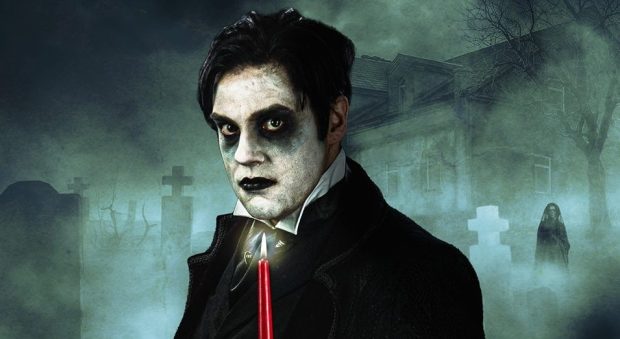
ASH PRYCE: OCCULT

☆☆☆☆

Edinburghers may know Ash Pryce by reputation even if they haven’t seen him personally, as a popular horror performer and magician. In Occult he brings these skills to bear nominally to initiate the audience into his demonic cult, but it’s really more than that. Fans of scary magic may seem to be the target audience, but there’s a lot to enjoy even for those who aren’t usually into that kind of thing. It’s an interesting and well constructed magic show of wide appeal.

The initiation process takes several steps, each with a matching magic effect. The magic is thoughtfully placed and well matched to the steps as Pryce describes them. Fans of magic, and those who have attended a lot of scary magic shows in particular, will probably recognize the structures of most if not all of the effects used. They’re the popular props of this sub-genre and the ones the audience expects to see in this kind of show. An effect that gets the entire audience involved uses tarot cards for mind reading, and spirit boards are successfully demonstrated to prove communication with the Other Side.

The familiarity of the tricks feels like the point; it’s a plus for this particular show. These trappings are a comfort zone for fans of Pryce’s work and sub-genre, which here he uses to help the audience feel safe, rather than frightened—the delicious cheese that hides the real theme. As part of the pleasure of this show is in the discovery of that theme, it would be a shame to reveal it here. The experience of the cheese should be preserved for future audiences. It’s certainly worth experiencing.

At his intimate Fringe venue Pryce is able to get most if not all of the audience involved over the course of the show. Pryce may seem an intimidating figure as he strides around the stage summoning a demon, but he is kind to his participants and helps them feel comfortable when they join in the act. If some of the participants at the reviewed show were slightly unsure of what to do, this is easily put down to variability of being human, and anyway Pryce quickly adjusted.

At the reviewed show of Occult Pryce has a moment out of his stage character at the end, revealing that this is in fact a work in progress and telling the audience a bit about how the show came about. It’s even more impressive for that knowledge. While those who aren’t close friends of Pryce may not have gotten the full backstory from watching the show, the theme and even the more immediate inspiration come through remarkably well. If this is just the WIP the final result should really be something special—no pressure. Fringe audiences are lucky to get this sneak peek.

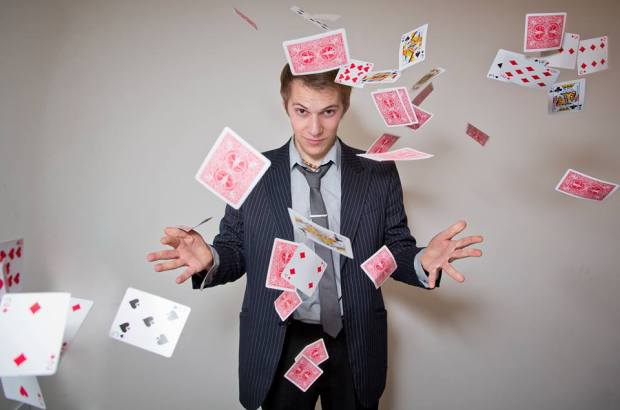
TOM BRACE SAWS HIMSELF IN HALF

☆☆☆☆

There’s a big illusion in Tom Brace’s latest Fringe show, Tom Brace Saws Himself in Half, and chances are most of the audience will have guessed what it is by the time they have bought their tickets. With such a famous historical illusion the element of surprise is no longer available, as soon as anyone sees that table with a box on it they’ll know what’s about to happen, so what’s left is the showmanship. On this front, Brace certainly delivers.

As The Sawing happens right at the end of the show—Brace does not perform the entire show while sawn in half—there is plenty of time for him to demonstrate other effects. The goal of the show is to get himself in to the magic hall of fame, so Brace has put together a series of tricks that exemplify the relevant criteria. His favorite random number generator makes a return appearance for a numbers effect that gets the entire audience involved, to mass amazement, even with the necessary limitation of having just one person in the random number generator itself. In a show that plays on a classic magician/assistant illusion it feels especially fitting that this particular prop makes an appearance. If Brace could be said to have an onstage “assistant” in his career it would probably be that random number generator, which, while it cannot fit in an illusion, is in all other respects his constant, reliable sidekick.

Brace gets a few members of the audience involved, with the trip into the random number generator being the biggest task asked of any one of them. For that task he makes sure to pick from a pool of volunteers who demonstrated their willingness to be a part of the show via a pre-show task. Audience participants can be a tricky bunch, and at the reviewed show Brace had to deal with a participant who did not know the details of the ring she brought up for him to do magic on. Ever the professional, he had the audience laughing with her, and made sure to get his reveal completed suitably impressively.

With such an odd title, Brace takes a suitably slightly sarcastic approach to the magic that he performs in Tom Brace Saws Himself in Half. This builds to the event itself, in which he attempts an impossibility even by magic standards. While it would be a shame to reveal what happens in that moment, it’s a great take on this classic. Brace balances poking fun at the sketchy history of this effect with demonstrating it in a genuine, impressive way.

When watching the traditional version of the sawing in half illusion it’s easy to think, ‘maybe the coward waving the blades should take a turn in that box if he wants a share of the applause that comes after’. Tom Brace Saws Himself in Half is the show for people who have had that thought. It also feels like a love letter to magic as an art form, acknowledging its imperfections and mixed history and working from a place of affection to drive its progress forward. A magician sawing himself in half isn’t something that even magic fans see often, if ever. If you’re curious, you won’t be disappointed.

JOSEPH WESTBURY: REALITY REIMAGINED

☆☆☆

Joseph Westbury may not be working from the largest Fringe venue, but he’s a popular performer and filled out the space even at the reviewed weekday lunchtime show. Notably, several members of the audience had received flyers from Westbury and were so impressed by that interaction that they had come along to the show. Giving and receiving flyers is a staple Fringe exchange, but it is somewhat rare to see it work out so well for the performer. Westbury is clearly very persuasive. And it’s not his only strength as a magician, as Reality Reimagined contained an impressive amount of very well executed effects.

Westbury favors physical magic but found a great range of classic magic props to demonstrate. While there are no tricks that would likely be new or even usual to magic fans, the magic is performed very well across the board. Westbury even performs his rope tricks with a noticeable flair, getting the audience on his side with jokes gently poking fun at this well known basic of magic. The illusion work performed is also particularly impressive. This genre of magic does have a bit of a reputation for and history of objectification, but Westbury manages to sidestep any potential issue with the help of his glamorous father in the role of the traditional assistant. His father performs the role with style. Illusion magic is one of the less common genres at the Fringe, and at the PBH free fringe in particular, so it is exciting to see it here.

With a small venue and lots of tricks, Westbury manages to include pretty much the entire audience in the act in various roles. He is a personable performer and makes all feel welcome. For one effect that involves a bit of reading it would have been nice if he could include the participant in the reveal—it’s a shame when the star of the segment misses the magic—but for the most part audience participants are treated well.

The theme of Reality Reimagined is lightly threaded through the act. It’s not an unusual theme for a magic show as it’s relatively easy to make a trick fit this theme; all the magician has to do is perform the magic properly and the audience can experience their reality become reimagined. That being said, Westbury shows an interesting inclination to get more creative with his magic, perhaps best displayed in the reveal of his Schrödinger’s cat themed card trick. This is great to see from a debut performer in particular, when the natural instinct may be to just run through a list of their favorite tricks.

Westbury’s performance of Reality Reimagined was only set for a short run, so by the time this review is published it will no longer be available. Hopefully he will return; the audience at the reviewed show walked out eager to see more from him. Westbury even earned compliments from a legendary Fringe magician who had taken the time to see him. With his magical skill and great jokes, Westbury is a welcome addition to the Fringe scene.

CHRIS COOK: FAKE

☆☆☆☆☆

If anyone is most qualified to tell the world not to believe everything they see, it would probably be a magician. That’s what Chris Cook would like the audiences for his new show Fake to believe, at least. A Fringe veteran and mainstay, Cook is notable for creating an all new show at each Fringe, making him exciting to see every year. Fake is no different in that respect. Cook squeezes even more in than usual this year yet his hour long show flies by.

Despite his trademark approach of illustrating his points with a relatively minimal amount of magic, Cook’s excellence in magic is crucial as ever, and he does not disappoint. Even those who have seen Cook perform a few of his favorites in prior years would have trouble spotting the exact moment when the magic happens, and there is magic that is new to him this year too. A returning favorite is Cook’s take on the linking rings trick, but here he also demonstrates the classic. Cook’s returning fans may be surprised to even see this prop sitting on his stage as they walk in. They will be reassured as he performs—Cook’s magic remains as creative as ever.

The theme of artistic fraud for a magic show could go in so many different directions. Cook keeps his story straight by mostly sticking to art history, with a few relevant diversions, telling the tale of the art fraud perpetrated by a specific forger. One of the main differences between art fraud and magic is that magic audiences expect and welcome deceit. Where the purchaser of a fraudulent work of art might feel ripped off, the magic audience that is deceived has gotten their money’s worth. That is to say, to those who don’t know art history, Cook’s entire art history tale could be made up, for all they know. Cook demonstrates to the audience that he is not a reliable source of information—entirely appropriately for a magician—and thus shows them the modern relevance of discussing historic fraud. ‘Fake news’ may be a modern buzzword, but humans have had limited knowledge and attention since probably forever. It’s not a new problem and no one is immune, not even art experts, magic fans, or magicians. For humanity, falling for misdirection (whether it’s magic, art fraud, or fake news) is a feature, not a bug. After Cook’s show his audience will have had an entertaining demonstration of just how easily they are fooled. Maybe he won’t fix the culture wars in one Fringe, but raising awareness of the flawed innate tendency to believe that one’s own view is the only true objective one chips away at what fuels them. Cook is once again making the world a better place, one audience at a time.

With his lightly magical approach, the audience is slightly more safe from being called upon to join in the act than they may be at the average magic show, but participation is still an element. At the reviewed show Cook made some great picks for his participants. One in particular helped him with imagined props, getting in to the fun and enhancing the sequence. Ever the professional, Cook ably balanced giving his participant his due with making sure the show stayed on track.

Cook is a master of crafting perfectly themed magic and storytelling shows. Fake is exactly that, a magically told story, with the chance to look at some art on the way. Cook’s final message is uplifting, for those who look to art for meaning in these troubled times. And either way, the show will make the audience think. For a bit of magic, a bit of storytelling, and a lot of heart, Cook’s Fake is the show to see.

ANDY BOYD: THE PROFESSIONAL SHOWOFF

☆☆☆☆

Andy Boyd can do anything, probably…. Or at least that’s the impression that audiences will get after watching his show The Professional Showoff. A friendly and hilarious performer with a unusual breadth of skills, Boyd presents a range of entertainment feats across the genres of magic, juggling, and robotics.

While all of his routines are fun, the cutest are by far the ones with the robots. Boyd has built himself a robotic assistant—cultural commentary on the role of assistants in historic magic is perhaps implied with a raised eyebrow, but it’s not that kind of show—and this adorable helper successfully performs a magic trick of its own, with Boyd assisting in getting an audience member to participate. Boyd’s juggling and adjacent skills are impressive as well. He opens his show with a series of hoop tricks, and even those who have seen this prop used before will probably see new variations from Boyd. It’s very mildly intimidating for the audience but super cool to watch.

There is of course plenty of magic as well. Boyd’s card tricks are fantastic, and at times these blend with his other skills—as with the robot. Even when he’s just using the cards, the more physical elements of the performance have a flair that reveals his juggling abilities, with the particular skill he brings to these elements. His finale is so impressive that, at the reviewed show, audience members who arrived as strangers clutched each other in amazement.

Boyd gets a significant proportion of the audience involved to varying degrees. Luckily for the audience, they are not asked to come to the stage for any of the mildly intimidating bits, Boyd keeps all the difficult moments for himself. Boyd is a friendly performer and, at least at the reviewed show, seems to attract an especially friendly audience. Many bits of audience participation are performed from the seats, and none of the participation is scary.

Andy Boyd has such an infectiously high energy in The Professional Showoff, and everyone in the audience walks out smiling, looking in higher spirits than when they went in. It’s the kind of medley show audiences would usually expect from a group of performers, but here all done by one exceptionally skilled one. Boyd radiates pure joy. The Professional Showoff is the show to go to for an incredible time and a genuine energy boost.