Adelaide

JOSH STALEY: FOOL ME ONCE

☆☆☆☆

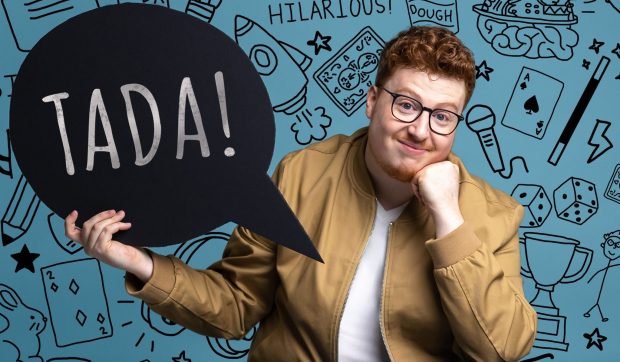
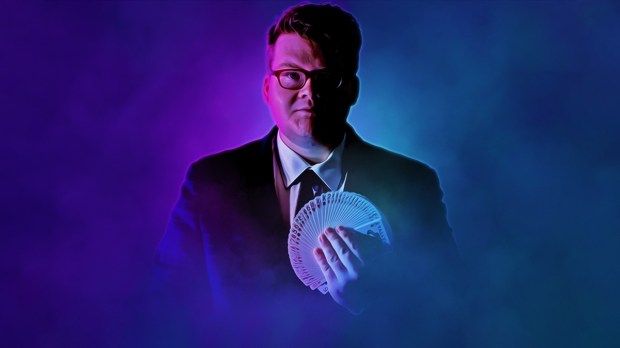
If the complicated role of a magician could be distilled to just one core job, it would definitely be to fool their audience. The stated premise of Josh Staley’s Fool Me Once is thus in a way the first time of the evening that he fulfills his core duties—he does, in the end, fool his audience more than once. It’s a simple premise and Staley uses it effectively.

Staley uses both sleight of hand magic and mentalism to fool the audience. An early highlight is his coin routine. In fact, at the reviewed show, as he completed this routine a member of the audience audibly whispered to her friends, “I love the coins”, a sentiment that, at that point, was surely shared by everyone else watching, and which Staley confirmed that he shared as well. Staley also read several minds, both from written prompts and from words that existed solely in the minds of his audience members.

Audience participation in Fool Me Once is used thoughtfully and effectively. Several participants are able to get involved from their seats, including for an exciting finale to the above-mentioned beloved coin routine that sees a magical element happen in the hands of an audience member. When audience participants get more involved, whether in coming onstage to have a turn at presenting a reveal or even just completing an impressive shuffle, Staley celebrates their achievements and makes sure they get applause for their contribution to his show.

It’s not always a good sign when the magician has to deal with significant numbers of audience member mistakes and interruptions, but at the reviewed show Staley dealt with several such matters with exemplary professionalism. An early example saw a participant helping Staley with a card trick misunderstand his instructions to hide her chosen card in the deck, instead hiding it under his box of props. On discovering this miscommunication Staley recovered the effect with a joke and a well performed bit of sleight of hand. Staley also had to contend with a gaggle of chatty youngsters, and managed to shut down their side conversations with quick good humor.

The reviewed show of Fool Me Once was nearly if not entirely sold out, on a Saturday evening in Adelaide at a prime time slot with plenty of competition. It’s no surprise, it’s a well staged show and Staley is a charming performer. If any tickets remain for the rest of his Fringe run future audiences will surely have to hurry to nab them.

2 RUBY KNOCKERS, 1 JADED DICK

☆☆☆

Of the professions in which mentalist powers would be most useful in daily life, private detective must be high on the list. The character Dirk Darrow brings that fantasy to life in 2 Ruby Knockers, 1 Jaded Dick. The show had the feel of a comedic one man play with magical elements, certainly a welcome creative angle on the magic scene. It may not be flawless, but it’s undoubtedly a good time.

2 Ruby Knockers is framed as an investigation by Darrow into a series of crimes committed in his vicinity. The overlap in skill set required in creating an effective mystery and performing magic is not insignificant, there’s an element of misdirection required in both. The mystery of 2 Ruby Knockers is both effective and a lot of fun, full of plot twists and surprises. In that respect it’s a fitting tribute to a beloved genre and demonstrative of a level of magic-adjacent skill.

Throughout the investigation, Darrow uses both plenty of intentionally bad jokes and various magical techniques to advance the plot. The magic may seem fairly basic to regular magic show attendees, but it’s performed effectively and deployed sensibly throughout the narrative. As the audience filters in, they see cards on several of the seats to fill in with personal information for Darrow to later magically discover. This segment fits well with the plot and proves entertaining for the audience. A storytelling sequence using a deck of cards is a particular highlight. If some of the bits seem a little forced, it’s easy to forgive—there’s not a whole lot of variety in a standard deck—and it’s a creative use of a classic prop.

As in most magic shows, Darrow frequently utilizes his audience’s assistance. Most of the participation is relaxed, and done without even requiring the participant to go onstage. The occasional audience member is called on to participate a little more significantly in the show, but Darrow chooses well and guides them effectively in fulfilling their roles as he requires them. However, he does occasionally seem to falter when his audience does something unexpected, particularly noticeable at the reviewed show when he receives a funny heckle, although also evident in a couple other instances. Heckling is an often unfortunate aspect of live performance, but in the realm of heckling a funny heckle is the best option. Darrow may benefit from working on reacting more gracefully to interruptions and irregularities—unfortunately he’s in a profession where such a skill is necessary.

2 Ruby Knockers, 1 Jaded Dick appeals primarily as a comedy for those who adore puns. While there may be other performers at this year’s festival who perform magic more slickly and with more creativity in the crafting of their effects, 2 Ruby Knockers has value as a magic show in demonstrating a different type of creativity in presentation. The audience at the reviewed show certainly loved Darrow. His humor and overall performance style is pretty specific, and the right audience seems to have found him.

ROB ELLINGER: HYPNOS

☆☆☆☆

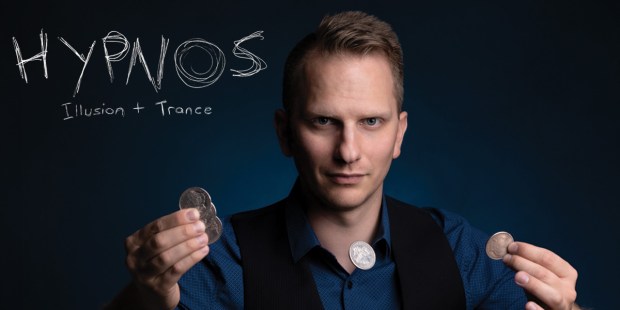
Hypnotism is a fairly niche genre, and in Hypnos Rob Ellinger has created an even more specific niche for himself. His combination of magic with hypnotism—plus a light sprinkling of pop psychology as a stage-appropriate nod to his job as a hypnotherapist—makes for an especially unusual and memorable Fringe show.

The magic that Ellinger employs in creating his hypnotic atmosphere walks the tightrope of the surprise inherent to properly performed magic, and a relaxingly dreamlike vibe as befits a hypnotism show. If that sounds like a contradiction, that’s because it is. Ellinger manages to find that balance with a precision that’s difficult to believe unless you’ve seen it. While he may very occasionally lack that precision in the technique of the magic that he employs—perhaps a pea is momentarily revealed before its cue, or a prop transformation is not quite concealed from the edges of the audience—there is such an abundance of magic performed well that it hardly affects the overall impression of the show. The power of the effect he creates over the course of the show is, after all, perhaps the more unusual “trick” that has attracted his audience.

The heavy use of physical magic makes Hypnos exciting to watch for non-hypnotized participants. Hypnotism requires the consent of the hypnotized, and Ellinger makes that explicit immediately at the start of his show, explaining that he will allow participants to opt in before attempting to hypnotize them and will respect the wishes of those who prefer to watch. Those who do participate are treated with respect, and are asked to do nothing more difficult than the average non-hypnotized participant in any other magic show. 

Of the routines themselves, there are many highlights that are particularly well themed and cleverly executed. While the pea in the shells is a classic, often overlapping significantly with the cup and balls for larger audiences, Ellinger’s hypnotic-themed ending makes it slot neatly in to his theme. Many, like this one, are designed to work wholly in his hands for the seated audience, so no one is called upon to become part of the entertainment. When an eager audience member is invited to experience hypnotism for a card trick, Ellinger similarly crafts the ideal ending to emphasize the imaginative power of his audience. 

While Ellinger himself is a hypnotherapist, and leaves his business cards for the audience to take with them, Hypnos is not a therapy session. As he points out, no one in the audience has paid him enough for that. Most cynically, it could be seen as the flashy trailer for the more serious services that he offers. But that would do the clever craftsmanship of the show a disservice. As a work of performance art it stands up on its own as worthy of time and attention. With a wide ranging appeal to fans of magic, hypnotism, and the intersection of these art forms with psychology, it is not at all surprising that he has all but sold out his run. Hopefully this unique experience will return for future audiences. 

CHRISTIAN LAVEY: ENCHANTING MINDS – A NIGHT OF MAGIC AND MINDREADING

☆☆☆

Hailing all the way from Luxembourg, Christian Lavey presents his Adelaide Fringe debut Enchanting Minds—A Night of Magic and Mindreading in a pleasantly cool room conveniently in the center of town. As far as show structure goes, Lavey keeps it simple and straightforward. With his engaging stage presence and well performed mentalism, it is certainly an entertaining evening.

The magic that Lavey presents is a series of his favorite tricks, organized neatly to provide an escalating degree of impressive reveals. As a non-native speaker of English, one trick involving a reveal of reciting non-linear lists of numbers stands out as especially well performed. The reveal itself is of course innately impressive, but as any language learner will know, listing random numbers in a non-native language is a particularly difficult skill to master. It is commendable that Lavey not only chose to include this trick in his first Adelaide fringe show, but also that at the reviewed show he presented the reveal without a hitch.

The success of this trick was not a unique feature, Lavey’s magic is well performed throughout. His sock card trick was a highlight, with a fun reveal that neatly led in to the next effect in a slick transition. The venue is relatively intimate and Lavey gets the majority of the audience involved in his show. The majority of the participation is completed while staying seated, saving time to pack in more magic and keeping the level of participation required fairly relaxed. Lavey is welcoming to everyone who gets involved in his show, whether from their seats or with him on stage.

Lavey is evidentially a skilled performer, the smooth delivery of both his routines and patter indicate a wealth of experience. However, as with every magic show, the audience participants are still a wildcard. At the reviewed show one in particular adds flair to the segment she participates in—a classic “dangerous item” routine. She eagerly inspected the items that Lavey uses, and, with equal eagerness, selected and deployed them, risking harming Lavey with each choice, all with zero hesitation. This was not due to indifference to Lavey’s potential harm, but, she explained, due to her trust that he knew what he was doing. Her contribution to the act made for an unusually wholesome take on this classic of magic.

Lavey successfully enchants the minds of the audience of Enchanting Minds. Perhaps the best measure of the success of a show is how the audience gossips amongst itself once they are out of earshot of the performer, and following the reviewed performance of Enchanting Minds audience members could be heard extremely pleased to have experienced such a well performed show to kickstart their evening. Despite the central location, the venue is tucked away a bit from the gardens that the Fringe revolves around, giving Enchanting Minds the feel of a hidden gem of a show. With its great tricks and Lavey’s skilled performance, it can only be a success.

REUBEN MORELAND: ABRACADABRA, B*TCH!

☆☆☆☆

It’s a satisfying moment in a book or movie when one of the characters says the title of the work in conversation. Audiences at magic shows don’t often get that particular moment of minor joy. Reuben Moreland, however, does things differently, leaping to the stage yelling, “Abracadabra, B*tch!” to kick off his highly energetic show. It’s a delightfully and consistently silly show, and a genuine pleasure to watch.

The magic that Moreland performs is remarkably well styled to his stage presence. If it could be said that there is a theme or story to the show, it’s relatively minimal—a running joke is used as a structure around which Moreland organizes the bulk of the content. This suits the type of comedy magic that he performs. It’s the personalization of the magic that is most impressive. Even the most ardent magic fan will take a moment to discern the bones of a familiar trick disguised so completely by the trappings of his performance.

Moreland set the tone early, with a series of magic tricks and jokes illustrating a hopefully completely imaginary disaster of a first date. This gets all the stereotypical props and classic self-deprecating magician humor out of the way early for those who turned up to see a magic show expecting such things. Later highlights include a signed card trick, featuring a reveal that Moreland had set up pretty much from the start of the show. This interweaving of effects and reveals is in itself a highlight. The attention to detail and exact timing pays off in the audience experience.

Like many magic shows, Abracadabra, B*tch! relies heavily on audience participation. Moreland does occasionally ask a bit more of his participants than most. At the reviewed show there was one significant participant who was chosen by Moreland apparently at random. Luckily Moreland appears to have mastered the most crucial mentalist trick any magician must learn: how to intuit, from the stage, which member of the audience will have fun playing along with his act. While Moreland’s choice to pick this particular participant at random was the right decision for his narrative, at other moments he opened the stage to volunteers, many of whom were eager to join in the fun.

At one point in the show, Moreland jokingly questions, “What kind of a person would actually buy a ticket to see a show called “Abracadabra, B*tch!”? The answer is, exactly the kind of person who would most enjoy the show. It’s very well named to let potential audiences know what they’re getting themselves in for when they purchase their ticket. For those to whom the title appeals, the silliness will be a delight.

BEN HART: UP CLOSE

☆☆☆☆☆

One of the more unusual features of Ben Hart as a magician is that his Fringe shows are of late designed to be performed in the round. This is an extra challenge in a performance art known for its reliance on angles to execute the effects properly, and in Up Close Hart ups the stakes even further. The intimate venue and minimalist decor and props are cleverly designed to leave Hart with no space to hide. The magic is, as ever, nothing short of a masterclass. The intimacy of the venue also gives Hart a chance to show off his crowd work skills, to great effect. Even his outfit takes advantage of the venue size, with trouser embroidery that adds an extra element of visual interest to watching his perform.

Up Close is a mix of routines that Hart has performed before, in his larger scale shows, as well as effects that his fans may not have seen in his prior shows. The more familiar tricks in particular serve Hart in a variety of ways. They are, of course, impressive in their own right for newcomers to his act. There’s also an extra interest for Hart’s fans in seeing him execute these effects flawlessly in such a stripped back environment. And, after watching Hart experiment with ways to bring close up magic to the stage in his larger scale shows over the years to occasionally mixed reactions, it’s satisfying to see him find space to fully showcase a genre of magic that seems like a particular passion.

A particularly well formatted bit involves a classic spoon effect, with an extra element of spellcasting that makes it feel distinct to Hart. Hart excels at performing effects that are recognizable classics of magic, adapted so perfectly to his own style that they feel refreshed specifically for his fans. Hart’s Ouija board routine is a recurring success, with two audience participants getting involved who are ready after the show to swear to the others that Hart must have indeed conjured spirits, as there is no other explanation for what they experienced.

The intimacy of the Up Close venue works both ways—not only does the audience get a better view of Hart, he gets a better view of them at the same time. This is not as scary as it may sound. The only audience member who got told off at the reviewed show was on her phone, and Hart’s gentle chastising earned him one of the first rounds of applause of the evening. Hart cultivated the community of his audience, sharing the spotlight at every opportunity. One participant’s especially well mixed shuffle got an especially enthusiastic reaction, as the audience was clearly happy to help Hart celebrate one of their own. The already commanding Hart gained power from the communal atmosphere, at one point successfully holding the audience’s attention for a long few seconds while trying to change the sheet of paper in his little notepad—maybe a more true test of sheer charisma than any magic trick.

Hart’s audiences have come to expect perfection and he does not disappoint. The casual-witchy Up Close even has a suitably casual-witchy theme, developed by Hart in a suitably cheeky manner that is perfect for this type of show. A perennial Fringe highlight across two continents, Hart had a solid audience at the reviewed Tuesday evening show, a testament to the loyalty of his fans. Always changing, evolving, and experimenting, Hart is a rewarding performer to return to year after year. Up Close will only further cement his role as a trail blazer in the progression of magic as an art form.