author: Hannah S

ARRON JONES: 1 HOUR STRAITJACKET ESCAPE MAGIC SHOW

☆☆☆☆

Arron Jones is back at it with the straitjacketed magic. With a lunchtime slot that puts it toward the beginning of the Fringe schedule, his 1 Hour Straitjacket Escape Magic Show is the most aggressively Fringe way to kick off the day. Jones does not take a full hour to escape from his straitjacket, instead performing the full hour of magic while trapped inside it. What follows is exceptional creativity, as Jones manages to perfectly execute a great variety of tricks with his hands literally tied behind his back.

The magic that Jones performs is largely recognizable to magic fans, which makes it even more interesting to see performed by a magician in a straitjacket. Card magic is of course a staple, and Jones manages to do a couple of tricks using these slippery little props. An early example features Jones nosing his way through the deck to find the chosen card, a visual that perfectly prepares the audience for the tone of the rest of the show. Jones’s brand of weirdness is self aware and the audience can see him consciously lean in to it, which makes even the extremes feel oddly relatable.

As Jones cannot use his hands for the duration of the show, audience participation is especially necessary. Creating the show feels like a collaborative, team building experience, with so much by necessity happening in the hands of the audience. Jones is the supportive team leader, guiding the hands of all who touch his props. At the reviewed show one participant slightly undercut his reveal by miscounting a deck of cards, an easy mistake to make with a set of props that has a habit of sticking together and moving erratically. Jones successfully pulled it back, with the participant’s help, making it clear that he had in fact gotten the trick correct.

Known as the Rockstar Magician in his other Fringe show, Jones’s love of music is evident in this show as well. He has a few bespoke tracks for various moments and tasks of the show that add a personalized flair to the proceedings. This straitjacket show is Jones’s nostalgic Fringe debut from a few years ago, and for those who caught that iteration, the “mix up the cups” song may have been stuck in their heads ever since. Jones dances along to each track, making every set up and reveal extra fun to watch.

1 Hour Straitjacket Magic Escape Show is one that every Fringe goer should see at least once. Jones’s style of showmanship is both unique and fun enough that it holds up well on a re-watch. It’s perfect for those who find themselves needing an early energy boost to get them through those mid-Fringe days.
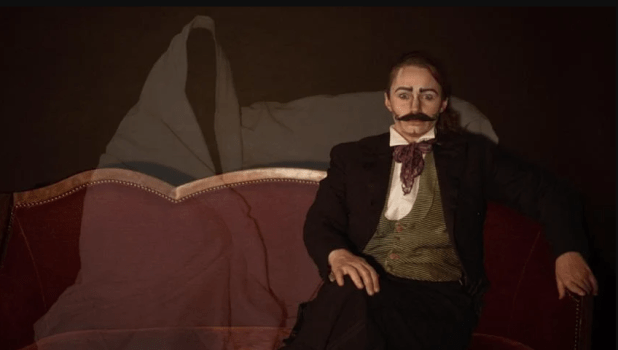

THE GREAT DIVINATOR: TOUCHED BY SPIRITS

☆☆☆☆

Brought back to life by magician Katie Tranter, The Great Divinator has risen from the dead to entertain his audiences again. His Fringe show Touched by Spirits demonstrates his Victorian-era seance techniques to get in contact with the Other Side. It’s more silly than spooky, with plenty of well executed magic to keep the audience interested.

The magic in Touched by Spirits is used to illustrate the power and presence of said spirits on the earthly realm. It’s a very solid mix of both classics of the occult genre of magic and effects that are less commonly used seance-style shows, keeping it feeling fresh. The magic is all performed perfectly. One effect that particularly impressed the audience at the reviewed show involved The Great Divinator forging a spiritual connection between two audience participants, and using touch to prove it. One of the audience participants for this section was still raving about the effect as she left at the end of the show, and just how impressively impossible she had found her experience.

At the reviewed show the audience was a mix of living Fringe goers and raised spirits, so The Great Divinator was able to get a decent proportion of the living involved in the spiritualist effects. While the silliness of some of the participatory elements can feel a little unnatural at first, The Great Divinator embodies that playfulness in every movement, making it less intimidating for the audience to join in—he ensures that he will always be the silliest person in the room. The participants chosen visibly relaxed and got more into their roles the more they spent time around him. The reviewed show featured some unscheduled interruptions, whether from excited audience members or their mobiles, and The Great Divinator responded consistently, respectfully in character, making these interruptions feel like part of his own act.

Touched by Spirits is relatively light on magic to make sure there is plenty of room for spirits and silliness. It feels like the adult pantomime version of a seance, even when there’s no specific audience member summoned to the stage, there are plenty of moments when The Great Divinator gets everyone involved in creating the soundscape of his show. This makes for a very fun and unusual audience experience by magic show standards.

Between the Victorian seance-style magic and pantomime-adjacent performance style, Touched by Spirits is an intensely British cultural experience in the best possible way. The Great Divinator has distilled nearly all the good bits of British culture into one incredible experience. Touched by Spirits has a wide appeal, from magic fans looking for creatively performed tricks, to tourists looking to absorb a true sense of this country in just one hour, to anyone looking for some death-flavored joyfulness. The Great Divinator will lead the way.

DANIEL SINCLAIR: THE HYPNOTIST AND THE MIND READER

☆☆

Hypnotism is always a popular genre at the Fringe, and Daniel Sinclair’s The Hypnotist and the Mind Reader is no exception. Even a weekday show is fairly full, and he gets a good population up on stage to join him. While the hypnotism itself was patchy at the reviewed show, between those who managed to stay hypnotized, those who were willing to play along, and Sinclair working very hard, a version of the show was able to go on.

There are necessary alerts and reassurances ahead of a hypnotism show, and Sinclair’s version hits all the main points. He lets the audience know that he cannot force them to do anything they don’t want to do, hypnosis or not. Letting everyone know ahead of time that hypnosis is a mutual process is designed to get potential volunteers in the right mindset. If the people coming up onstage are ready to accept and work with Sinclair, the hypnotism process should work more efficiently.

The hypnotism process that Sinclair uses is nice and calming, even for those who don’t choose to go onstage. Sinclair even allows for everyone in the audience to participate in this from their seats if they want to, for those who would like to try to be hypnotized without being watched by everyone else. The sound that Sinclair uses is a classic hypnotism sound, difficult to describe but instantly recognizable, which is fun to hear.

At the reviewed show unfortunately the hypnotism by and large didn’t seem to take. There’s always an attrition rate with those who choose to take part in hypnotism, but rarely is it so pervasive and consistent throughout the show. Sinclair himself will be best placed to judge if this was an off day or if it’s worth adjusting his methods. To his credit, Sinclair breezed past the suggestions that just didn’t work, focusing on those where the majority of his struggling volunteers were willing to play along, and making the most of those who were able to experience hypnosis.

Every hypnotism show is different, and it’s a huge credit to Sinclair as a performer that he was able to recover the reviewed show to the extent that he did. The fact that so many of his volunteers were willing to play along with the majority of his show is perhaps a better testament to how fun his suggestions are than watching genuinely hypnotized participants undertake them.

ANDREW FROST: THE GREATEST CARD MAGICIAN IN THE WORLD

☆☆☆☆

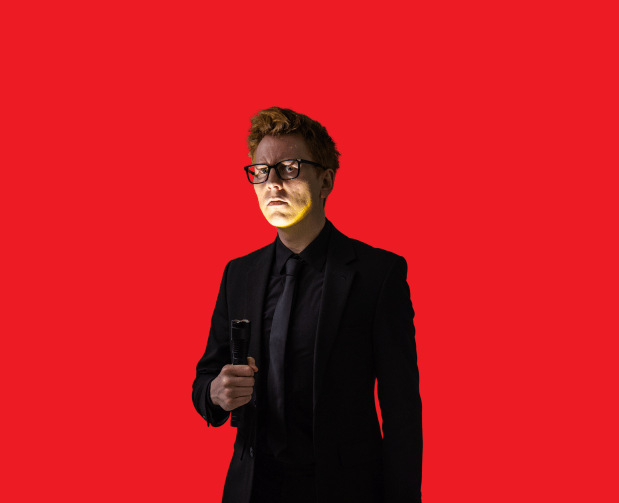
It’s worth noting, to help with expectation management for his future audiences, that Andrew Frost has not been officially deemed The Greatest Card Magician in the World, despite that being the title of his show. However, ‘The Greatest Card Magician in the World’ may very well be one of the greatest card magic shows in the world, or at the very least at the Fringe—a line that Frost is of course more than welcome to selectively quote. What makes it compelling is not Frost’s position on any one person’s leaderboard of card magicians, but how he manages to make card magic so much fun.

As is heavily hinted in the title, in The Greatest Card Magician in the World Frost focuses on card magic. It’s as perfectly performed as the audience will expect from the title. A highlight is a routine that Frost invites multiple members of the audience to participate in. This manages the difficult task of providing a surprise of an ending in a card trick, a format perhaps known best for having the most easily anticipated ending of any magic trick.

Frost gets a lot of the audience involved in the show, and creates a welcoming environment to make this as unintimidating a process as possible. Frost is so personable that, at the reviewed show, a reluctant member of the audience agreed to join him onstage even when Frost allowed for a clear way out if the audience member truly didn’t want to be involved. While one audience participant does have a more involved role, Frost cleverly structures his routines to essentially go through a quick vetting process to pick someone who will be comfortable with the attention. Frost is always in control and the participants are not left at loose ends onstage.

The grandiose name of The Greatest Card Magician in the World isn’t just an attention-getting tactic, but a lead in for Frost to gently satirize magic show and audience tropes throughout the performance. From his spot on advice for audience members who are watching the show to try to work out how the tricks are done, to his teasing of the dramatic backstory for how he got in to magic, right up to the structure of the finale, Frost pokes fun at the stereotypes from a place of clear love for the art form.

It may not be as “shrekxy” as a burlesque show he’s contended with for reviews (what a sentence to experience out of context!), but for fans of card magic The Greatest Card Magician in the World is easily an excellent choice of Fringe show. Frost will teach the audience how to appreciate his card magic and then perform a trick so perfectly that they forget their lessons. It’s perfect card magic in a perfectly written show.

FRANCISCO MOUSINHO: TRICKS I STOLE FROM DEAD PEOPLE

☆☆☆

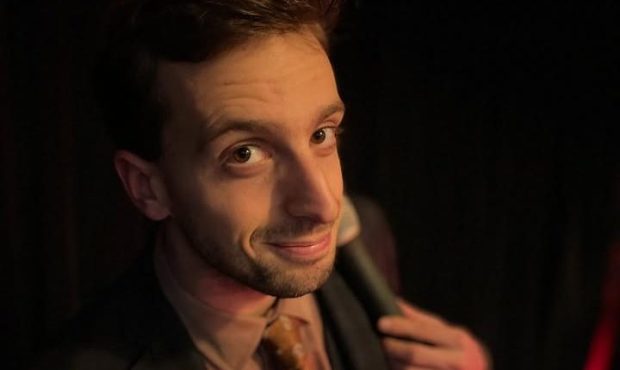
A newcomer to the Edinburgh Fringe, Francisco Mousinho has brought his excitingly named Tricks I Stole from Dead People as a debut. While the venue may not have been what he expected and apparently hampered his act, no circumstances could hamper his spirit. Mousinho is an engaging performer to watch even if he can’t do quite as much as he wants to this year.

The Edinburgh version of his act evidentially changes regularly, depending on the audience he gets—with a small venue and a late time slot, audience size can vary significantly. The reviewed show on a Sunday evening was intimate but not bad for the day before the start of the work week. Mousinho performed a variety of close up effects, each with a story to go along with it. His take on a rope trick was particularly fun to watch. A classic of magic, this is not often the most interesting to see performed, but Mousinho managed to make it his own in a fun way that really got the audience involved.

With a relatively small audience Mousinho was able to get everyone involved. Most of the participation involved checking out the props, and even sometimes patting down his arms and sleeves, to keep him honest—at least by magician standards. Mousinho is a friendly performer, the small audience felt welcomed and appreciated. With that type of crowd it can feel a bit like hanging out with the magician as much as watching them perform, and Mousinho readily adopted the attitude of the welcoming host, making everyone feel comfortable in the pub basement that is his home for the Fringe.

Mousinho readily admits that his show is not what he envisioned for the Fringe. The theme of tricks he’s stolen from dead people is certainly promising, and with the storytelling flair that he demonstrates even with the routines that he is able to perform, it sounds like the full act would be a real treat. Hopefully this year is the appetizer to get Edinburgh excited for the fully realized show that he brings to a future festival, whether the Fringe, MagicFest, or both. His audience walked out eager to see more from him.

Fringe audiences aren’t able to tell what they’ve missed with Mousinho’s performance, just what they have received, and he’s well worth the time. Tucked away in a venue slightly off the beaten path, he feels like a hidden gem of an act. Next time he visits he’ll still be a gem, but perhaps a little less hidden.

MATT HALE: FUNBELIEVABLE! 90S REWIND

☆☆☆☆☆

Retro-fan hypnotist Matt Hale is back in Edinburgh, this time with Funbelievable! 90s Rewind, celebrating all things 90s. The care with which Hale balances the skill and structure of his show with leading the party is evident even before the show starts. Hale’s manager, revealed later to also be his wife, asks each group coming in to the venue how many they are, and then works with Gilded Balloon staff to get them seated to perfectly fill in every gap of the sold out room. Fringe seating at popular shows can often feel like a lawless game of speed and chance, so it’s a nice change of pace to be carefully slotted in to the right spot. Once Hale gets going, there’s no bad seat in the house.

Hale doesn’t even wait for the hypnotism to get the party started, bounding out on to the stage and getting the audience pumped up. That being said, like any reputable hypnotist, before inviting up his participants he makes sure to reassure everyone that hypnotism cannot be done against anyone’s will. This is by necessity a volunteer-only participation show, those who do not want to join in can simply stay in their seats. Hale makes sure to make his show feel like a safe place to experience hypnosis even before anyone volunteers for it.

The reviewed show was extremely busy (if not fully sold out) and Hale had no problem getting plenty of volunteers onstage. He even added an extra chair when more people wanted to come up than he had planned, ensuring that as many people as possible could experience hypnosis. Hypnotism is a tricky business, while everyone can be hypnotized there’s no one technique that will get to every single person, especially not in a stage performance. Like all hypnotists, Hale had a bit of an attrition rate, kindly escorting some of his participants back to the audience before getting in to the meat of the show. However, between Hale’s supportive pep talk and the hypnotic process itself he got great results. After the show his participants could be heard eagerly discussing their experiences, detailing how they felt both in control and unusually happy to follow Hale’s suggestions throughout the course of their time onstage.

As for those suggestions themselves, Hale follows through on his promise to not embarrass his participants. The prompts were uniformly 90s music themed, and everyone on the stage, as well as in the audience, was excited to hear each song. Hale curates a party atmosphere throughout the show. While he and the hypnotized volunteers lead the party, the entire audience gets to be involved in experiencing it.

Hale’s latest hypno-party is a 90s soundtracked success. His track record of well attended party hypnoshows has earned him a loyal following, as evidenced by a packed full Sunday show. Hale performs worldwide and his fans can be found everywhere. Take a tour of the blue mountains in Australia and you may even find Hale fans on the bus with you, so eager to recommend him that they do the detective work through their emails to make sure they get the spelling of his name right. Whether his audience volunteers to be hypnotized and help him lead the party, or whether they prefer to enjoy the party from the audience seats, everyone at Hale’s Funbelievable! 90s Rewind will have a great time.

DAVID ALNWICK: THE DARE WITCH PROJECT

☆☆☆☆☆

David Alnwick has a habit of creating shows that are so unusual that they require a whole new category all to themselves in the Fringe listings. This year he has gone a step further in bringing a live found footage horror show, The Dare Witch Project. Naturally, as a debut, it’s completely unlike any of his previous shows. However, it still feels like a distinctly Alnwick show, it has his trademark perfection at every turn, from the plot to the magic and every step in between.

While The Dare Witch Project doesn’t feel like a typical magic show in any sense of the term, traditional or not, Alnwick is still a magician and uses magic to accentuate the show. The way that magic is used here is particularly creative, it doesn’t just illustrate the story but is an integral part in how it’s told and how the audience experiences it. With so few tricks they need to be perfect, and Alnwick is skilled enough that it’s no surprise they meet that requirement. Alnwick leans more on the cinematic cousins of magical misdirection to drive the show forward.

A Fringe veteran and legend with an especially versatile skill set, Alnwick has tons of fans in Edinburgh, who may not necessarily be fans of horror as a genre. It’s still worth at least considering attending The Dare Witch Project even if you are among them. It has the Alnwick hallmarks of excellence and originality that earned him such support, and Alnwick and the Voodoo Rooms staff helpfully lay out flyers on each chair that are the perfect size to cower behind when it gets too frightening. It’s not every day you get the opportunity to watch a new genre being born, not even at the Fringe.

The Dare Witch Project is an absolute must see for horror fans. It’s not just scary, there’s humor and nostalgia to lighten the mix, and the creative use of magic adds an extra level of interest. For horror fans it will be the perfect show.  For the rest, it’s exceptional enough to still be well worth seeing. 

AVA & BEAUX: TALES OF MAGIC

☆☆☆☆☆

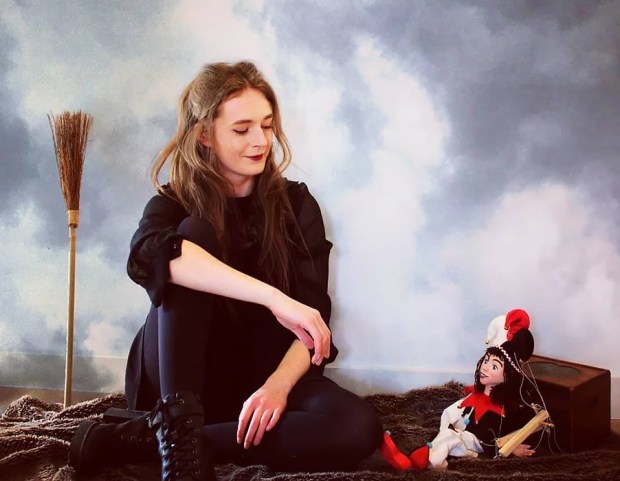
Ava Beaux’s audiences get treated to two magicians for the price of one, with her split stage personas making their return to the Fringe stage.  And both are clearly very popular, the venue is completely packed full at the reviewed show on an Oasis weekend day.  Ava Beaux’s followers cannot be deterred. In Ava & Beaux: Tales of Magic her two sides might not always get along, but do manage to get their story told, trading off responsibilities for that task throughout the performance.

The audience meets Ava first, a perfectionist of a performer who is the verbal storyteller, and even gets a few magic tricks in to illustrate. The story gets a bit complicated, but Ava helpfully recaps at various junctures. This story provides the framework for both Ava and Beaux’s magic routines. A highlight from Ava’s performance is a restoration effect using a paper moon. The magic itself is performed well, and the act of tearing the paper releases a shimmer in the air, like a cloud of magic that forms around her. It’s especially appropriate for a sky-themed effect in Edinburgh, where even in the summer clouds often feature, although they are rarely as beautiful as on Ava’s stage.

The less inhibited Beaux also makes regular appearances. These parts of the show tend to feature a more physical performance, perhaps best typified by the section in which Beaux personifies the adorable main character of Ava’s magic story. Beaux leaves all manner of magical props that appear from her body all over the audience, getting everyone involved in the act. This both illustrates the story and injects a lovely playfulness in to the show.

Ava Beaux had managed to create and embody two distinct characters and give them a conflict and rapport that all feel real. As odd as it sounds, it almost feels like a shame that they can’t appear onstage at the same time. They seem like they’d make an excellent double act, they perfectly complement each other’s performance style.

Both Ava and Beaux invite audience participants to join in their magic. While both have different styles, they are both respectful in their own way. Notably, for one slightly messy effect Beaux makes sure to protect her participant’s property from contamination. At the reviewed show the participants were all eager to join either side of the performer onstage. One participant even accidentally played magician herself, magically producing an extra prop at the end of the trick that had been left behind on her person. Beaux was quick to give this new sidekick her due.

If the Fringe is known for both weirdness and magic, Ava Beaux is the perfect performer to see to get both in the schedule at once. Her beautiful show features an equally beautiful ending that is not to be missed. For a truly unique experience, Ava & Beaux’s Tales of Magic is the one to see.

GEORGE HUNT: AN INTROVERT’S GUIDE TO MAGIC

☆☆☆

For an introvert, even attending a magic show can be an off putting proposition. Audience participation is often solicited—the introvert cannot guarantee the option to sit quietly and enjoy the performance from amongst the crowd. At George Hunt’s An Introvert’s Guide to Magic, however, introverts are at least among their own kind. Hunt curates a welcoming environment for all the types at his show.

That audience management piece is one of Hunt’s strengths. He benefits from being early in the schedule for his venue, so the audience can filter in a few minutes before he starts. He handily directs those who express interest in being left alone to the seats that aren’t likely to be picked on, helpful information for if they want to see other magicians, and then follows through with letting them watch his show without making them interact with him. On the other hand, at the reviewed show Hunt had many members of the audience who were actively enthusiastic to participate, and he made sure to involve several of them at various points. While their supportive chanting did at times become a distraction, by that point Hunt had won them over to the point that they willingly quieted down when he indicated this.

The magic of the act is largely performed well. In a true testament to the introverted mindset, Hunt frequently chooses audience participants to become the star of the effect in various ways, taking attention off himself without taking attention off the magic. Hiding behind willing extroverts is a classic introvert move, and it’s nice to see how this dynamic plays out in a magic show.

The storyline of An Introvert’s Guide to Magic is a classic, the tale of Hunt’s childhood introduction to magic and his subsequent life adventures in his pursuit of his career. The choice of such a classic feels deliberate, as it’s Hunt showing the introverted way to frame and tell this story. The journey from the bus rides of his childhood to the stage of today may not be thematically unusual, but he tells it well.

An Introvert’s Guide to Magic is probably the safest place for interested introverts to get to experience a Fringe magic show. For Hunt’s fellow introverts venturing out from their Rubik’s cube filled bedrooms to see him, it could even be inspiring—here is how to successfully perform entertaining magic in front of others while deflecting as much attention as possible. If introverts are going to congregate anywhere at the Fringe, it should probably be here.

ASH PRYCE: OCCULT

☆☆☆☆

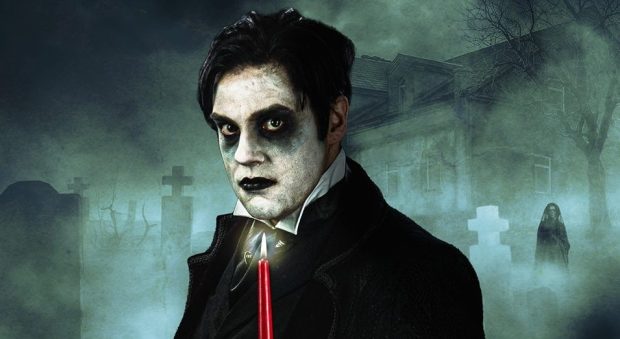
Edinburghers may know Ash Pryce by reputation even if they haven’t seen him personally, as a popular horror performer and magician. In Occult he brings these skills to bear nominally to initiate the audience into his demonic cult, but it’s really more than that. Fans of scary magic may seem to be the target audience, but there’s a lot to enjoy even for those who aren’t usually into that kind of thing. It’s an interesting and well constructed magic show of wide appeal.

The initiation process takes several steps, each with a matching magic effect. The magic is thoughtfully placed and well matched to the steps as Pryce describes them. Fans of magic, and those who have attended a lot of scary magic shows in particular, will probably recognize the structures of most if not all of the effects used. They’re the popular props of this sub-genre and the ones the audience expects to see in this kind of show. An effect that gets the entire audience involved uses tarot cards for mind reading, and spirit boards are successfully demonstrated to prove communication with the Other Side.

The familiarity of the tricks feels like the point; it’s a plus for this particular show. These trappings are a comfort zone for fans of Pryce’s work and sub-genre, which here he uses to help the audience feel safe, rather than frightened—the delicious cheese that hides the real theme. As part of the pleasure of this show is in the discovery of that theme, it would be a shame to reveal it here. The experience of the cheese should be preserved for future audiences. It’s certainly worth experiencing.

At his intimate Fringe venue Pryce is able to get most if not all of the audience involved over the course of the show. Pryce may seem an intimidating figure as he strides around the stage summoning a demon, but he is kind to his participants and helps them feel comfortable when they join in the act. If some of the participants at the reviewed show were slightly unsure of what to do, this is easily put down to variability of being human, and anyway Pryce quickly adjusted.

At the reviewed show of Occult Pryce has a moment out of his stage character at the end, revealing that this is in fact a work in progress and telling the audience a bit about how the show came about. It’s even more impressive for that knowledge. While those who aren’t close friends of Pryce may not have gotten the full backstory from watching the show, the theme and even the more immediate inspiration come through remarkably well. If this is just the WIP the final result should really be something special—no pressure. Fringe audiences are lucky to get this sneak peek.