4 Stars

IGOR LIPINSKI: PIANO ILLUSIONS

☆☆☆☆

Igor Lipinski may not be the only magician to combine his skills in magic and music, but the music and magic rarely feel as classy as in his Piano Illusions. The venue is slightly outside the main Fringe center but he’s worth the venture. Notably on the venue front, St Mark’s only charges their acts to rent the space so the full ticket price goes to the performers, making this beautiful space one of the more ethical venues—hopefully this is working out in Lipinski’s favor. Lipinski combines magic and music in increasingly interesting ways throughout the show, making for especially interesting and entertaining viewing.

As many may have realized from the title of the show, Lipinski is a pianist and uses his piano in both setting up and revealing his magic. A highlight in both realms sees his equally musically skilled wife, flautist Anna Chenoweth Lipinski, join him onstage for a lovely duet that also perfectly sets up and accompanies a romantically themed magic trick. While the trick might start in the expected way, the reveal is unusual, with specifics that may even make it unique at this Fringe. Novelty is rare and not required at magic shows, but it’s certainly nice to see when it happens.

While Lipinski is demonstrably hugely talented, he may benefit from adjusting the angles of his magic at times to preserve the illusion for the full audience. This is particularly noticeable from the first couple of rows when he performs his card finding routine. His sleight of hand doesn’t feel clumsy, it just looks like he may be more accustomed to performing it for individuals rather than both performing for a specific participant plus a whole audience at the same time. That being said, the card finding is a great routine that, at the reviewed show, earned specific compliments from the participant, who was evidently trying unsuccessfully to work out how it was done.

Like all magicians, Lipinski uses participants at times to make the magic more magical. Audience participants are obviously a benefit to the magician, but Lipinski particularly excels at making participation feel like a real benefit to the audience members who undertake it as well. Whether it’s a uniquely magical souvenir or a routine that makes the participant feel like they had a hand in making something magical happen, this is an especially positive show to participate in.

A properly mixed bill, there is a significant proportion of music mixed in with the magic. This is not a music review site, but both Lipinskis are definitely pleasant to listen to. Igor Lipinski in particular, as the primary star of the show, demonstrates his musical art in a way that almost feels educational. Those who come to the show more due to the magic may find a new appreciation for the ways that a pianist as skilled as Lipinski can manipulate a tune to his will.

Piano Illusions has something for everyone. It’s a perfect dual ambassador, bringing magic to the music fans and music to the magic fans, while ensuring that it will be a memorable evening for both. Lipinski is an exceptional talent whose Piano Illusions are a worthwhile addition to any Fringe itinerary.

STUART LIGHTBODY: MYSTERIOUS MOMENTS

☆☆☆☆

The popular Stuart Lightbody is worth traveling for. At the reviewed showing of Mysterious Moments with Stuart Lightbody, several audience members from Lightbody’s home country of South Africa reported that they had seen him in that country and loved him so much that when they found out that he would be in Edinburgh for the Fringe, they made sure to take the time to see him again. That level of committed fandom is surely the most impactful endorsement to hear. As soon as Lightbody gets started, the rest of the audience understand how he has acquired such enduring support.

Mysterious Moments may emphasize mentalism a bit more that Lightbody’s fans would usually expect, but they can be reassured that they will still see some of his excellent card work. Plus, the mentalism is equally excellent. One card effect in particular that garners a big reaction from everyone is part of a sequence involved in forging a connection between two randomly chosen participants. Many of the audience members at the reviewed show were on board as soon as Lightbody showed off his fancy shuffle work. The card effect itself earned Lightbody an affectionate expletive, and the subsequent demonstration of the connection forged left all in awe.

Lightbody gets a good proportion of the audience involved, while keeping anything difficult for himself. Much of the audience involvement can be done from their seats, including a highly impactful mind reading sequence that manages to get just about everyone at once. The one mildly disconcerting moment involves a participant whose consent is acquired ahead of the start of the show.

Mysterious Moments functions as a series of stories, sometimes even just vignettes, as a framework for Lightbody to perform his magic. This contributes to the dreamlike quality of the performance that he deliberately curates. It’s a highly effective way to frame and make memorable the mysteries that he demonstrates.

Many will be drawn to Lightbody’s shows due to their previous experiences with him, and those for whom that was not the case this year will find themselves in the same boat by the next Fringe. Mysterious Moments is an excellent primer on perfection in storytelling magic, that will ensure the viewer’s standards are high in assessing other shows. Lightbody’s hypnotically powerful magic perfectly highlights the stories.

DAVID ALNWICK: SECRET MAGIC SHOW

☆☆☆☆

Probably one of the hardest working performers of the Fringe, David Alnwick tends to pack his days full. This year he has three carefully written shows that he performs every day, plus his roving Secret Magic Show that takes advantage of other performers’ off days leaving the odd free slot in various venues. Not everyone has Alnwick’s work ethic and endless energy! The reviewed show at 10:30AM on a Sunday morning took place in a record shop, and like Alnwick’s shows always are, was very well attended. Alnwick performs a variety of his favorites and the occasional experimental bit.

The magic performed is as perfect as usual for Alnwick—with the hilarious exception of his attempt to demonstrate one of the effects that he invented to sell to other magicians. While this minor imperfection was a nice reminder to the audience that this isn’t TV—when something goes wrong the performer can’t re-shoot until they get it right—it did not have a significant effect on the overall impression that Alnwick is just what he claims, a truly exceptional magician. There is an emphasis on card tricks at the reviewed show, which is fantastic as this is an area where Alnwick particularily excels. He even shows off some fancy shuffles and cardistry, just for fun. A great early moment that sets the tone is a card finding effect that gets many members of the audience involved, with Alnwick successfully recovering the many chosen cards in inventive ways. The audience is also treated to Alnwick’s favorite card trick with the accompanying story. Returning fans may remember this one from prior years’ shows, it’s a strong routine that’s fun to revisit.

A practiced professional, Alnwick treats his audience participants well throughout the show. At the reviewed show he made sure to locate the fellow magician in the audience, and got her involved at the perfect moment. In a small venue there’s nowhere to hide from participation in the magic, but nothing to fear from a performer like Alnwick.

Alnwick’s Secret Magic Show is a slightly more chaotic experience than his fans will be used to, which in this case is a draw. Alnwick navigates the chaos well and it feels like an interesting insight into how his mind works. There’s even the opportunity for greater involvement, he asks the audience if they happen to have cards he could use, giving the truly devoted fan a chance to own a deck shuffled by Alnwick himself and everyone a chance to see a magician perform with a verified standard deck.

The great advantage of Alnwick’s Secret Magic Show is that the timings are so varied, those who want to come will provably be able to find a time that suits. Magic fans, comedy fans, and anyone looking for a random assortment of good times will enjoy Alnwick’s company.

KANE & ABEL: TWIN FEATS

☆☆☆☆

Kane & Abel’s Twin Feats has been a constant of the Edinburgh Fringe magic scene for, as is revealed in this year’s show, ten years. They have evidently built up a solid fanbase and reputation, with a strong crowd at the reviewed show on a midweek afternoon. While the theme remains constant, they do switch up the routines and effects, and this year’s is an especially strong lineup.

Of the magic performed, one of the clear highlights is their finale piece. It would be a shame to spoil it, but it’s a really fun take on a classic, with Kane & Abel leaning in to their stage characters while also delivering a truly impressive illusion, taking full advantage of having two performers in the act to perform something that wouldn’t even be feasible for their many solo colleagues. There are plenty of other great moments leading up to that, particularly the card magic. Kane & Abel perform an interesting twin-themed card routine. This is followed by card demonstrations that may not be card tricks in the traditional sense but feel more drawn from magic’s circus heritage, using cards to display both strength and balance in novel ways.

Audience participation is fairly frequent, without asking the participants to do any tasks that they would not expect to undertake at a magic show. Kane & Abel are both kind and welcoming when the audience joins in on their act. A participatory highlight is a mathematical and mind reading effect involving several audience members from their seats. The selection and involvement of the participants is unusual and fun, just the right amount of over-the-top to be both funny and respectful.

Twin Feats is a very strong show from two very experienced Fringe performers. It’s unusual, impressive, and of course magical. Kane & Abel did a fantastic job this year, this one is not to be missed for both their long term and new fans.

SAM KING: TRICKS & STUFF

☆☆☆☆

As a new performer to the Edinburgh Fringe and tucked away in a beautiful new PBH venue, Sam King might struggle slightly to attract a crowd on a sunny Thursday early evening for Tricks & Stuff. The people who do turn up quickly discover that it’s everyone else’s loss for missing it. One of the nice elements of the Fringe is that you might see a show and think, “surely that’s the weirdest thing here”, only to see something else that’s even stranger the next day. It’s difficult to imagine what could be weirder than Tricks & Stuff.

Without spoiling the strange surprises that King reveals throughout his show, it’s worth noting that the “& Stuff” in the title is doing a lot of heavy lifting. Sure, there are tricks, but they are primarily in service of the one-man play that King has concocted for his act. Those who saw the top hat on the flyer and expected a standard magic show may be disappointed. However, those who are willing to strap in for the ride get treated to a delightfully absurd experience. It’s appropriate for a magic show that the publicity and the actual show feels like a bit of a bait-and-switch: that’s just the first trick.

Depending on the size of the audience, most people may be called upon to take part in the show. On days with lighter numbers, some audience members may be called upon a few times. King is self-aware in his absurdity, while he himself says and does a lot of things that may be unexpected for a magician, everything he asks of his audience is expected and easily explained. At the reviewed show King even managed to get one of his younger audience members involved in an age-appropriate way, even though his show is really more designed for older children and adults.

The magic itself is all performed well. At the reviewed show King even performed an effect without the initial prop, which actually worked for him given the absurdist nature of his act. His take on a mentalist card trick is particularly fun. Plenty of magicians use their mouths for a varied reveal, but none the same way as King. This is well themed and placed toward the start of the show to gently indicate to the audience that it’s about to get a whole lot weirder shortly after.

The absurd humor and odd energy of King’s Tricks & Stuff make it an excellent addition to this year’s Fringe. While the plot elements may be very slightly confusing to follow, even allowing for the occasional interruption of the reviewed show, it still works because King knows he’s doing an absurdist show and makes sure the audience knows that he knows. King certainly has a creative approach to performing magic and is worth the time to watch.

CAMPBELL GLAZIER: TRICKSTER

☆☆☆☆

With a mid-evening time slot at a slightly less well known venue, a weekday performance of Campbell Glazier’s Trickster can be a fairly intimate experience. Such things happen at the busy Fringe. Luckily, Glazier is a skilled performer, and the audience size feels deliberate. Those who attend get the impression that Glazier would always make the audience size feel deliberate, whether it was just one person or hundreds.

Trickster focuses on card magic. There are interludes into a few other types to mix things up, but card magic seems to be Glazier’s specialty. It’s certainly very slick. Helpfully for those who go to magic shows to try to catch out the magician, the audience sits around Glazier’s table right up close to the action. Glazier even explains the tricks if the audience wants to learn how to do them. Less helpfully for those trying to catch him out, Glazier is very good at his job, and successfully hides his methods right up until he chooses whether or not to reveal them. A highlight is a series of card finding tricks that conclude in a dramatic shower of playing cards. The messy conclusion is worth it for the impressive result.

Glazier is notable for including a live rabbit in his show. It’s a fun play on the magician’s assistant trope without veering into animal cruelty. The rabbit is hilarious and Glazier’s interactions with it and an extra element of humor and charm to the show.

In such a small setting, audience participation is both especially inescapable and especially chill. Glazier makes his way around the audience a couple of times to select cards and complete other tasks to help him show off his tricks. He is notable for his excellent rapport with everyone in his audience. It’s worth noting that at the reviewed show at least one member of the audience was a friend of his, but your reviewer can confirm that at least one was not, and Glazier had an easy, natural charm with all.

It’s rare to get such a close up experience of card magic at the Fringe, especially at a PBH venue. Finding Trickster feels like finding a hidden gem. Glazier manages to make card magic exceptionally funny, this may just be the most you laugh in a card magic show. It’s perfectly timed and placed for Leith-based commuters to stop in on their way home for a laugh and some wonder. Trickster is well worth the time.

ARRON JONES: 1 HOUR STRAITJACKET ESCAPE MAGIC SHOW

☆☆☆☆

Arron Jones is back at it with the straitjacketed magic. With a lunchtime slot that puts it toward the beginning of the Fringe schedule, his 1 Hour Straitjacket Escape Magic Show is the most aggressively Fringe way to kick off the day. Jones does not take a full hour to escape from his straitjacket, instead performing the full hour of magic while trapped inside it. What follows is exceptional creativity, as Jones manages to perfectly execute a great variety of tricks with his hands literally tied behind his back.

The magic that Jones performs is largely recognizable to magic fans, which makes it even more interesting to see performed by a magician in a straitjacket. Card magic is of course a staple, and Jones manages to do a couple of tricks using these slippery little props. An early example features Jones nosing his way through the deck to find the chosen card, a visual that perfectly prepares the audience for the tone of the rest of the show. Jones’s brand of weirdness is self aware and the audience can see him consciously lean in to it, which makes even the extremes feel oddly relatable.

As Jones cannot use his hands for the duration of the show, audience participation is especially necessary. Creating the show feels like a collaborative, team building experience, with so much by necessity happening in the hands of the audience. Jones is the supportive team leader, guiding the hands of all who touch his props. At the reviewed show one participant slightly undercut his reveal by miscounting a deck of cards, an easy mistake to make with a set of props that has a habit of sticking together and moving erratically. Jones successfully pulled it back, with the participant’s help, making it clear that he had in fact gotten the trick correct.

Known as the Rockstar Magician in his other Fringe show, Jones’s love of music is evident in this show as well. He has a few bespoke tracks for various moments and tasks of the show that add a personalized flair to the proceedings. This straitjacket show is Jones’s nostalgic Fringe debut from a few years ago, and for those who caught that iteration, the “mix up the cups” song may have been stuck in their heads ever since. Jones dances along to each track, making every set up and reveal extra fun to watch.

1 Hour Straitjacket Magic Escape Show is one that every Fringe goer should see at least once. Jones’s style of showmanship is both unique and fun enough that it holds up well on a re-watch. It’s perfect for those who find themselves needing an early energy boost to get them through those mid-Fringe days.

THE GREAT DIVINATOR: TOUCHED BY SPIRITS

☆☆☆☆

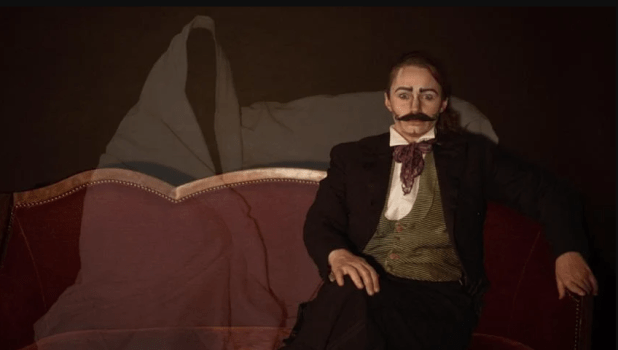
Brought back to life by magician Katie Tranter, The Great Divinator has risen from the dead to entertain his audiences again. His Fringe show Touched by Spirits demonstrates his Victorian-era seance techniques to get in contact with the Other Side. It’s more silly than spooky, with plenty of well executed magic to keep the audience interested.

The magic in Touched by Spirits is used to illustrate the power and presence of said spirits on the earthly realm. It’s a very solid mix of both classics of the occult genre of magic and effects that are less commonly used seance-style shows, keeping it feeling fresh. The magic is all performed perfectly. One effect that particularly impressed the audience at the reviewed show involved The Great Divinator forging a spiritual connection between two audience participants, and using touch to prove it. One of the audience participants for this section was still raving about the effect as she left at the end of the show, and just how impressively impossible she had found her experience.

At the reviewed show the audience was a mix of living Fringe goers and raised spirits, so The Great Divinator was able to get a decent proportion of the living involved in the spiritualist effects. While the silliness of some of the participatory elements can feel a little unnatural at first, The Great Divinator embodies that playfulness in every movement, making it less intimidating for the audience to join in—he ensures that he will always be the silliest person in the room. The participants chosen visibly relaxed and got more into their roles the more they spent time around him. The reviewed show featured some unscheduled interruptions, whether from excited audience members or their mobiles, and The Great Divinator responded consistently, respectfully in character, making these interruptions feel like part of his own act.

Touched by Spirits is relatively light on magic to make sure there is plenty of room for spirits and silliness. It feels like the adult pantomime version of a seance, even when there’s no specific audience member summoned to the stage, there are plenty of moments when The Great Divinator gets everyone involved in creating the soundscape of his show. This makes for a very fun and unusual audience experience by magic show standards.

Between the Victorian seance-style magic and pantomime-adjacent performance style, Touched by Spirits is an intensely British cultural experience in the best possible way. The Great Divinator has distilled nearly all the good bits of British culture into one incredible experience. Touched by Spirits has a wide appeal, from magic fans looking for creatively performed tricks, to tourists looking to absorb a true sense of this country in just one hour, to anyone looking for some death-flavored joyfulness. The Great Divinator will lead the way.

ANDREW FROST: THE GREATEST CARD MAGICIAN IN THE WORLD

☆☆☆☆

It’s worth noting, to help with expectation management for his future audiences, that Andrew Frost has not been officially deemed The Greatest Card Magician in the World, despite that being the title of his show. However, ‘The Greatest Card Magician in the World’ may very well be one of the greatest card magic shows in the world, or at the very least at the Fringe—a line that Frost is of course more than welcome to selectively quote. What makes it compelling is not Frost’s position on any one person’s leaderboard of card magicians, but how he manages to make card magic so much fun.

As is heavily hinted in the title, in The Greatest Card Magician in the World Frost focuses on card magic. It’s as perfectly performed as the audience will expect from the title. A highlight is a routine that Frost invites multiple members of the audience to participate in. This manages the difficult task of providing a surprise of an ending in a card trick, a format perhaps known best for having the most easily anticipated ending of any magic trick.

Frost gets a lot of the audience involved in the show, and creates a welcoming environment to make this as unintimidating a process as possible. Frost is so personable that, at the reviewed show, a reluctant member of the audience agreed to join him onstage even when Frost allowed for a clear way out if the audience member truly didn’t want to be involved. While one audience participant does have a more involved role, Frost cleverly structures his routines to essentially go through a quick vetting process to pick someone who will be comfortable with the attention. Frost is always in control and the participants are not left at loose ends onstage.

The grandiose name of The Greatest Card Magician in the World isn’t just an attention-getting tactic, but a lead in for Frost to gently satirize magic show and audience tropes throughout the performance. From his spot on advice for audience members who are watching the show to try to work out how the tricks are done, to his teasing of the dramatic backstory for how he got in to magic, right up to the structure of the finale, Frost pokes fun at the stereotypes from a place of clear love for the art form.

It may not be as “shrekxy” as a burlesque show he’s contended with for reviews (what a sentence to experience out of context!), but for fans of card magic The Greatest Card Magician in the World is easily an excellent choice of Fringe show. Frost will teach the audience how to appreciate his card magic and then perform a trick so perfectly that they forget their lessons. It’s perfect card magic in a perfectly written show.

ASH PRYCE: OCCULT

☆☆☆☆

Edinburghers may know Ash Pryce by reputation even if they haven’t seen him personally, as a popular horror performer and magician. In Occult he brings these skills to bear nominally to initiate the audience into his demonic cult, but it’s really more than that. Fans of scary magic may seem to be the target audience, but there’s a lot to enjoy even for those who aren’t usually into that kind of thing. It’s an interesting and well constructed magic show of wide appeal.

The initiation process takes several steps, each with a matching magic effect. The magic is thoughtfully placed and well matched to the steps as Pryce describes them. Fans of magic, and those who have attended a lot of scary magic shows in particular, will probably recognize the structures of most if not all of the effects used. They’re the popular props of this sub-genre and the ones the audience expects to see in this kind of show. An effect that gets the entire audience involved uses tarot cards for mind reading, and spirit boards are successfully demonstrated to prove communication with the Other Side.

The familiarity of the tricks feels like the point; it’s a plus for this particular show. These trappings are a comfort zone for fans of Pryce’s work and sub-genre, which here he uses to help the audience feel safe, rather than frightened—the delicious cheese that hides the real theme. As part of the pleasure of this show is in the discovery of that theme, it would be a shame to reveal it here. The experience of the cheese should be preserved for future audiences. It’s certainly worth experiencing.

At his intimate Fringe venue Pryce is able to get most if not all of the audience involved over the course of the show. Pryce may seem an intimidating figure as he strides around the stage summoning a demon, but he is kind to his participants and helps them feel comfortable when they join in the act. If some of the participants at the reviewed show were slightly unsure of what to do, this is easily put down to variability of being human, and anyway Pryce quickly adjusted.

At the reviewed show of Occult Pryce has a moment out of his stage character at the end, revealing that this is in fact a work in progress and telling the audience a bit about how the show came about. It’s even more impressive for that knowledge. While those who aren’t close friends of Pryce may not have gotten the full backstory from watching the show, the theme and even the more immediate inspiration come through remarkably well. If this is just the WIP the final result should really be something special—no pressure. Fringe audiences are lucky to get this sneak peek.